


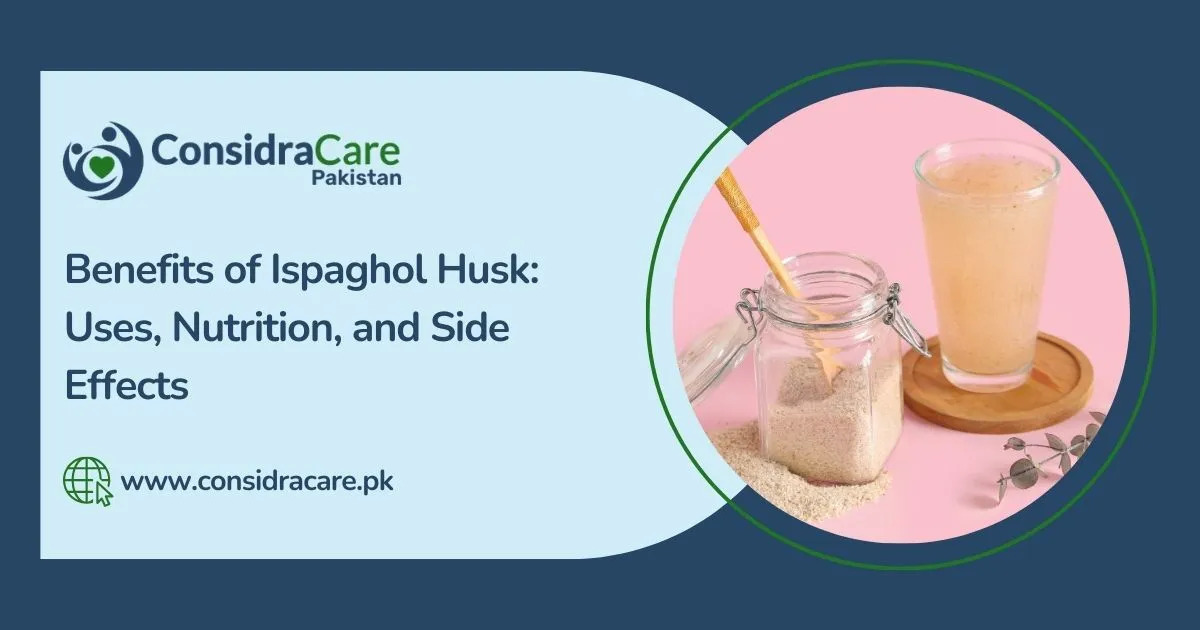
Ispaghol husk, also known as psyllium husk or chilka, is a natural fiber obtained from the seeds of the Plantago Ovata plant. It is widely used to support digestive health and treat common problems such as constipation, acidity, and piles.
Because it absorbs water and forms a gel-like substance in the gut, ispaghol helps regulate bowel movements and improve overall gut health. In addition to digestive benefits, research shows that ispaghol husk may help manage blood sugar levels, reduce cholesterol, and support heart health.
This article explains the major benefits of ispaghol husk, its nutritional value, how to use it, and possible side effects.
What is Ispaghol (Psyllium Husk)?
Ispaghol husk is the outer coating of psyllium seeds, mainly grown in India, Pakistan, and parts of the Middle East. When mixed with water, it swells and forms a gel-like fiber that helps move waste through the digestive tract.
This natural fiber supplement is commonly used for:
-
Relieving constipation
-
Managing diarrhea
-
Improving gut health
-
Supporting weight management
It is also known as ispaghol chilka, psyllium husk, or simply ispaghol in many South Asian countries.
Nutritional Value of Ispaghol Husk:
Ispaghol husk is valued for its high soluble fiber content. Unlike many foods, it contains very few calories but provides significant digestive benefits.
Approximate nutrients per tablespoon (about 10 grams):
-
Dietary fiber: 7–8 grams
-
Calories: ~20
-
Protein: Minimal
-
Fat: Nearly zero
-
Carbohydrates: Mainly soluble fiber
Because of its fiber-rich composition, psyllium helps regulate digestion and supports metabolic health.
Benefits of Ispaghol Husk:
Ispaghol has been used in Ayurvedic and Unani medicine for a long time to treat digestive issues. Let’s take a look at the amazing benefits of ispaghol husk below:
1. Supports Digestive and Bowel Health:
One of the most important benefits of ispaghol husk is its ability to improve overall digestive and bowel function.
The soluble fiber in psyllium absorbs water and forms a soft gel in the digestive tract. This helps regulate stool consistency and supports healthy bowel movements.
Because of this effect, ispaghol can help manage several digestive problems:
- Constipation:
Ispaghol increases stool bulk and softens it, making it easier to pass. This helps relieve constipation and reduces straining during bowel movements.
Doctors often recommend psyllium as a first-line natural treatment for constipation.
- Mild Diarrhea:
The fiber also absorbs excess water in the intestines. This helps firm up loose stools and normalize bowel movement frequency.
- Bowel Disorders:
Regular fiber intake may help improve symptoms of certain digestive conditions, such as irritable bowel syndrome (IBS). By promoting smooth bowel movements, psyllium supports overall gut health.
- Acidity & Blaoting:
Many digestive problems, including acidity and bloating, are related to poor gut function.
Ispaghol fiber improves bowel regularity and supports healthy gut bacteria, which may reduce gas, acidity, and bloating.

2. Controls Hunger and Aids Weight Loss:
One of the lesser-known ispaghol benefits is appetite control.
Because psyllium expands in the stomach, it creates a feeling of fullness. This may reduce hunger and help people eat fewer calories throughout the day.
This effect can support healthy weight management when combined with a balanced diet.
3. Maintains Blood Sugar Levels:
Soluble fiber in psyllium slows down the absorption of sugar in the bloodstream.
This can help stabilize blood glucose levels, especially after meals. For people with diabetes or insulin resistance, psyllium may support better blood sugar control when used alongside proper medical care.
4. Lowers Cholesterol Levels:
Research shows that psyllium fiber may help reduce LDL (bad cholesterol).
It works by binding with bile acids in the digestive system, which leads the body to use cholesterol to produce more bile. Over time, this process can help lower overall cholesterol levels.
5. Supports Heart Health:
By lowering cholesterol and improving blood sugar control, psyllium husk indirectly supports heart health.
Regular intake of soluble fiber is linked with a lower risk of heart disease, making ispaghol a beneficial addition to a heart-friendly diet.
6. Good for Skin Health:
Healthy digestion often reflects on the skin.
By improving gut function and helping eliminate toxins through proper bowel movements, psyllium may support clearer and healthier skin.
7. Helps Manage Hemorrhoids (Piles) and Anal Fissures:
Ispaghol husk can help reduce symptoms of hemorrhoids (piles) and anal fissures, which are often caused by hard stools and straining during bowel movements.
By improving stool consistency and preventing constipation, ispaghol may help:
-
Reduce irritation caused by hemorrhoids
-
Prevent further strain on swollen veins
-
Support healing of small tears in the anal lining (anal fissures)
Regular fiber intake is commonly recommended by doctors as part of the management plan for these conditions.
8. May Help in Managing Colorectal Cancer Risk:
High-fiber diets are associated with a lower risk of colorectal cancer.
Psyllium improves bowel movement frequency and helps remove waste from the colon more efficiently. While it is not a treatment, regular fiber intake may support colon health.
How to Use Ispaghol Husk?
Ispaghol is usually taken by mixing the husk with water or other liquids.
Common ways to consume it include:
-
Mix 1–2 teaspoons of ispaghol husk (chilka) in a glass of warm water and drink immediately
-
Add it to milk, smoothies, or yogurt
-
Take it before bedtime for constipation relief
It is important to drink enough water after consuming psyllium to prevent choking or blockage.

Possible Side Effects of Ispaghol Husk:
Ispaghol is generally safe for most people when used properly, but some may experience mild side effects such as:
-
Bloating
-
Gas
-
Abdominal discomfort
-
Nausea (rare)
These symptoms usually improve as the body adjusts to increased fiber intake.
Precautions When Using Ispaghol Husk:
Before using psyllium regularly, consider these precautions:
-
Always take it with plenty of water
-
Start with a small dose and increase gradually
-
Avoid using it if you have intestinal obstruction or swallowing problems
-
Consult a doctor if you are pregnant, breastfeeding, or managing a chronic illness
Interaction with Other Medications:
Ispaghol may affect the absorption of certain medications.
To reduce interaction risks:
-
Take Ispaghol at least 1–2 hours before or after other medications
-
Consult a doctor if you take medicines for diabetes, cholesterol, or heart disease
Get Personalized Support for Your Loved Ones at Home!

Conclusion:
Ispaghol husk is a natural and effective source of soluble fiber that supports digestive health and overall wellness.
From relieving constipation and diarrhea to helping manage cholesterol and blood sugar, the benefits of ispaghol husk extend beyond simple digestive support. When used correctly and with adequate water intake, psyllium can be a safe addition to a healthy lifestyle.
However, people with existing medical conditions or those taking medications should consult a healthcare professional before regular use.
Frequently Asked Questions – FAQs
1. Can we take isabgol daily?
Yes, isabgol (psyllium husk) can be taken daily in moderate amounts. It is a natural source of soluble fiber and is commonly used to support digestion and regular bowel movements.
However, it should always be taken with plenty of water to prevent choking or intestinal blockage. Most adults can safely take 1–2 teaspoons once or twice a day, but people with medical conditions or those taking medications should consult a doctor before regular use.
2. What is the best time to eat ispaghol?
The best time to take ispaghol husk depends on the reason for using it:
-
For constipation: Take it at night before bedtime with warm water or milk.
-
For weight management: Take it before meals to help control appetite.
-
For digestive health: It can be taken after meals or before bedtime.
Always drink a full glass of water with psyllium to help it move safely through the digestive tract.
3. Can we drink isabgol with water in the morning on an empty stomach?
Yes, isabgol can be taken with water on an empty stomach in the morning. Many people use it this way to improve digestion and promote regular bowel movements.
Mix 1–2 teaspoons of psyllium husk in a glass of water, drink it immediately, and follow it with another glass of water if needed. Adequate fluid intake helps the fiber work properly and prevents discomfort.
4. How to take isabgol at night for weight loss?
To use isabgol for weight management, it is usually taken at night because it helps control late-night hunger and supports digestion.
A common method is:
-
Mix 1 teaspoon of isabgol in a glass of warm water or milk.
-
Drink it immediately before it thickens.
-
Follow with a glass of water.
The fiber expands in the stomach, which may help create a feeling of fullness and reduce unnecessary snacking.
5. Which is better: chia seeds or isabgol?
Both chia seeds and isabgol provide fiber and health benefits, but they serve slightly different purposes.
Isabgol (psyllium husk):
-
Higher in soluble fiber
-
More effective for relieving constipation
-
Often used as a digestive health supplement
Chia seeds:
-
Provide fiber along with protein, healthy fats, and minerals
-
Support overall nutrition and energy
-
Often used in smoothies, yogurt, and healthy recipes
If the goal is digestive relief or bowel regulation, isabgol may be more effective. If the goal is overall nutrition, chia seeds may be the better choice.

