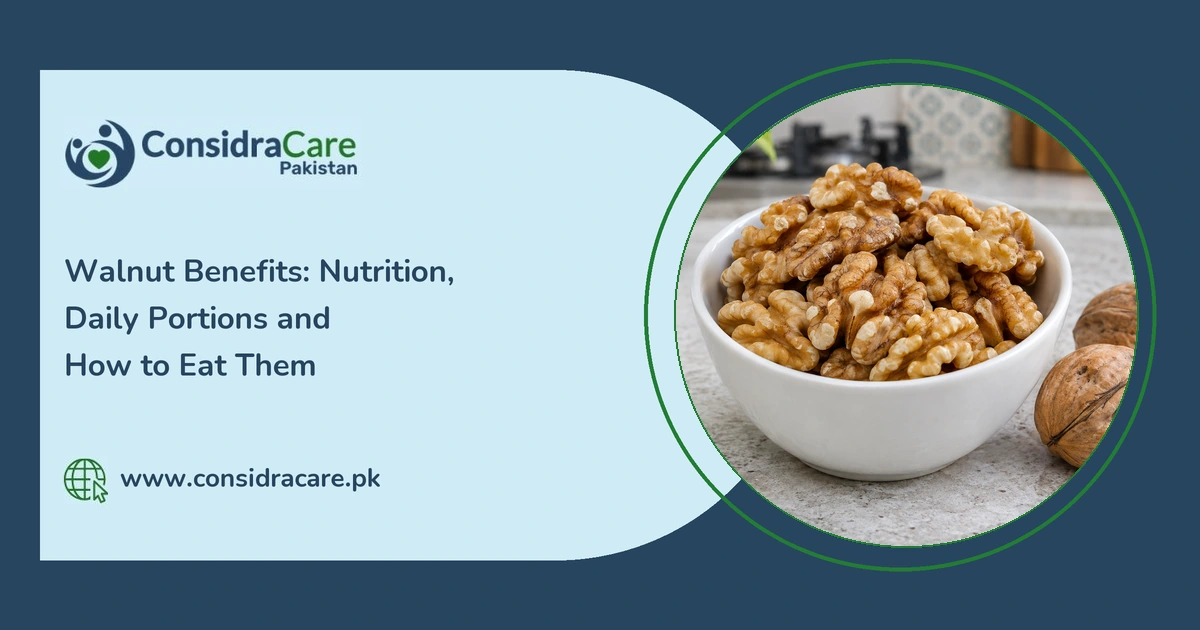
Walnut benefits include useful plant-based omega-3 fats, fibre and a possible improvement in LDL cholesterol when walnuts form part of a balanced diet. Known as akhrot in Pakistan, these nuts can be eaten on their own or added to familiar meals.
They are nutritious, but portions matter. This guide explains what the evidence supports, how walnuts can fit into the diets of men, women and seniors, and when extra care is needed.
What Are the Main Benefits of Walnuts?
May Help Lower LDL Cholesterol
Walnuts contain mostly unsaturated fats. Replacing some foods high in saturated fat with walnuts can help improve the balance of fats in your diet.
In the two-year Walnuts and Healthy Aging randomised trial, older adults assigned to eat walnuts had a modest reduction in LDL, often called “bad” cholesterol. The study received funding from the California Walnut Commission.
The findings support including walnuts in a heart-healthy eating pattern. They do not establish that walnuts alone prevent heart attacks or replace cholesterol medicine. A practical approach is to swap part of your usual biscuit or bakery snack for a measured portion and maintain other heart-healthy daily habits.
Provide Plant-Based Omega-3 Fats
Walnuts supply alpha-linolenic acid, or ALA, an essential omega-3 fat that the body needs to obtain from food. A one-ounce serving provides approximately 2.5 g of ALA.
ALA differs from EPA and DHA, the omega-3 fats found in fish and some algae-based products. The body converts only a limited amount of ALA into these longer-chain fats. Walnuts therefore contribute useful nutrients without providing the same omega-3 profile as fish.
Can Make Snacks More Satisfying
The combination of fat, some protein and fibre can make walnuts a satisfying addition to a snack. Pairing a small portion with fruit or plain yoghurt may help you build a more substantial snack than a sweet drink alone.
However, walnuts are energy-dense. Adding several handfuls to your usual meals can increase your energy intake considerably. They are not a weight-loss treatment, and a smaller waistline cannot be promised from eating them.
Contribute Fibre and Useful Plant Compounds
Walnuts contribute fibre, copper, magnesium and plant compounds called polyphenols. These add to the range of nutrients and plant foods in your diet.
Human trials have found changes in gut bacteria after walnut consumption, but changes in the microbiome do not automatically mean better digestion or relief from a bowel condition. Walnuts should sit alongside vegetables, fruit, pulses and whole grains rather than replace them.
Walnut Nutrition and a Practical Daily Portion
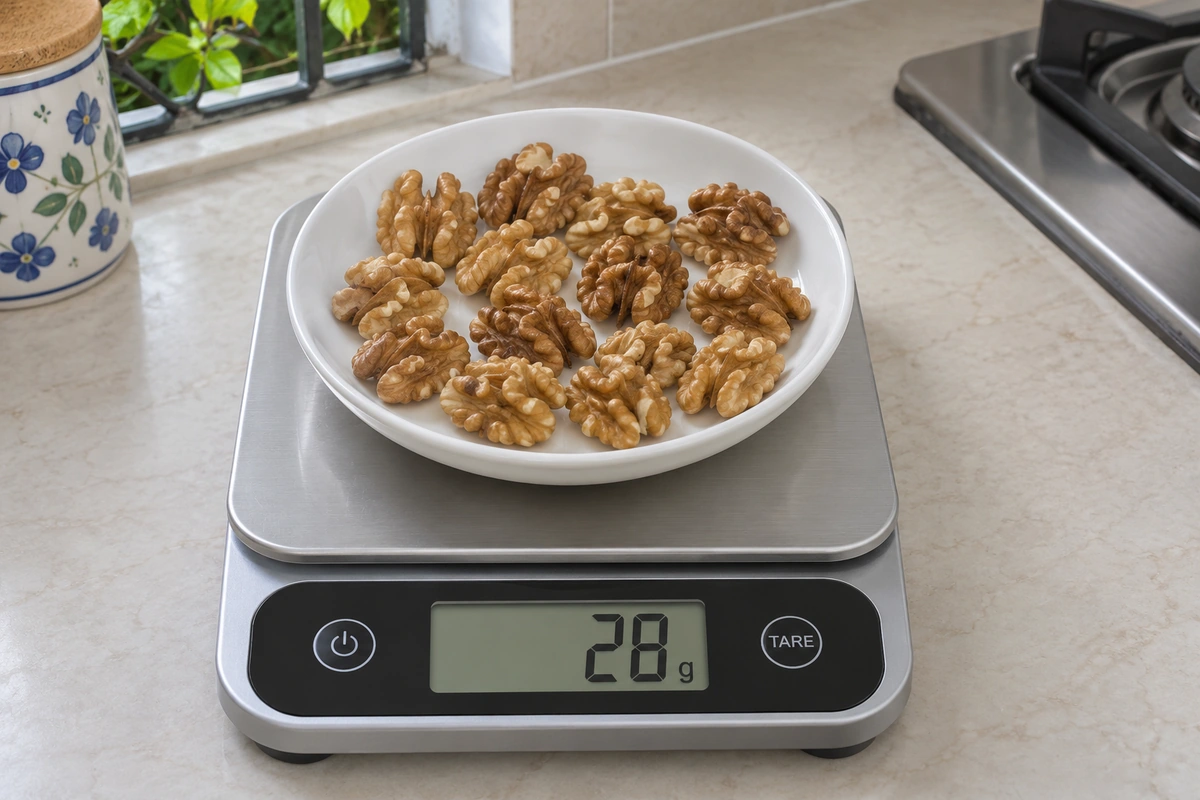
A commonly used serving is one ounce, approximately 28 g of shelled walnuts. This is about 14 halves, or seven whole kernels, although nut size varies. The weight refers to the edible kernel without the hard shell.
| Nutrient | Approximate amount |
|---|---|
| Energy | 185 kcal |
| Protein | 4.3 g |
| Total fat | 18.5 g |
| Carbohydrate | 3.9 g |
| Fibre | 1.9 g |
| ALA omega-3 | About 2.5 g |
| Magnesium | 45 mg |
| Copper | 0.45 mg |
Rounded values for unroasted English walnuts from the University Hospitals nutrition reference, with ALA values checked against the NIH Office of Dietary Supplements. Varieties, preparation and product labels may differ slightly.
This serving is a reference, not a required daily dose. You can use a smaller amount according to appetite, budget and the rest of your meals. If you eat mixed nuts, consider the entire portion rather than giving each variety its own allowance.
Walnuts offer more ALA than almonds, while almonds generally provide more protein and fibre per ounce. Our guide to the benefits and portions of almonds explains their different nutritional contribution. Neither nut is essential for a healthy diet.
Walnut Benefits for Men
Men can obtain the same nutritional benefits from walnuts as other adults. Their plant fats and fibre can fit into everyday meals, including a heart-healthy eating pattern.
There is also some research into male reproductive health. A 12-week randomised trial involving 117 healthy men aged 21–35 found improvements in sperm movement, vitality and shape among participants who added 75 g of walnuts daily to a Western-style diet. The research received support from the California Walnut Commission.
These were changes in laboratory semen measures. The trial did not establish that walnuts treat infertility or increase pregnancy or live-birth rates. Its 75 g research quantity is substantially larger than a standard serving and should not be treated as a recommended daily prescription.
There is insufficient evidence to recommend walnuts as a treatment for erectile dysfunction, low testosterone or prostate disease. Persistent reproductive or sexual-health concerns need medical assessment.
Walnut Benefits for Women
For women, walnuts can contribute essential fats, fibre and minerals within a varied diet. Their practical value is similar across adult life: they are one option for adding nutrients to breakfast or replacing part of a less nutritious snack.
During pregnancy, nuts can generally be included unless you have an allergy or your maternity clinician advises otherwise. Walnuts provide ALA, but they do not replace prescribed prenatal supplements or individual advice about iron, folate, iodine and DHA.
Eating walnuts has not been established as a treatment for irregular periods, PCOS, menopausal symptoms or female infertility. Claims that they “balance hormones” or guarantee better skin and hair go beyond the evidence.
If your concern is tiredness, hair loss or a possible deficiency, seek assessment rather than relying on extra walnuts. The cause and appropriate treatment can differ considerably.
Walnut Benefits for Seniors
Walnuts can add energy and nutrients in a relatively small volume, which may be useful when an older adult has a smaller appetite. They provide only a modest amount of protein, so they should not crowd out meals containing pulses, eggs, dairy, fish or other suitable protein foods.
Brain-health claims need particular care. In the two-year WAHA cognitive trial, walnuts did not improve overall cognition compared with the control diet in healthy older adults. Some subgroup findings were encouraging but inconclusive; walnuts have not been shown to prevent or treat dementia.
For an older relative, focus on a varied diet, preferences and safe eating rather than adding a particular food at all costs. Unintentional weight loss, persistent poor appetite or worsening memory deserves professional assessment.
Raw, Roasted or Soaked: Which Walnuts Should You Choose?
Plain raw and unsalted dry-roasted walnuts are both practical choices. The ingredient list is often more useful than claims about a particular preparation method.
| Type | What to consider |
|---|---|
| Raw, with the thin skin | Convenient to eat and requires no soaking or peeling. |
| Unsalted dry-roasted | Offers a toasted flavour; check for added ingredients. |
| Soaked | A texture preference; improved nutrient absorption or digestion is not established. |
| Salted or sugar-coated | Check added salt, sugar and the portion you actually eat. |
There is no established need to soak walnuts to “activate” their nutrients or remove the thin brown skin. If you prefer soaking, use clean water and utensils, keep them refrigerated while soaking and eat promptly. Soaking does not remove a walnut allergy.
Simple Ways to Add Walnuts to Pakistani Meals
For adults who can chew and swallow normally, try one of these options:
- Add a small amount of chopped walnuts to plain dahi.
- Stir walnut pieces into dalia or oats after cooking.
- Sprinkle a measured portion over cucumber raita or a salad.
- Pack a small container alongside a piece of fruit for a planned snack.
- Use walnuts as part of a mixed-nut portion rather than an extra handful.
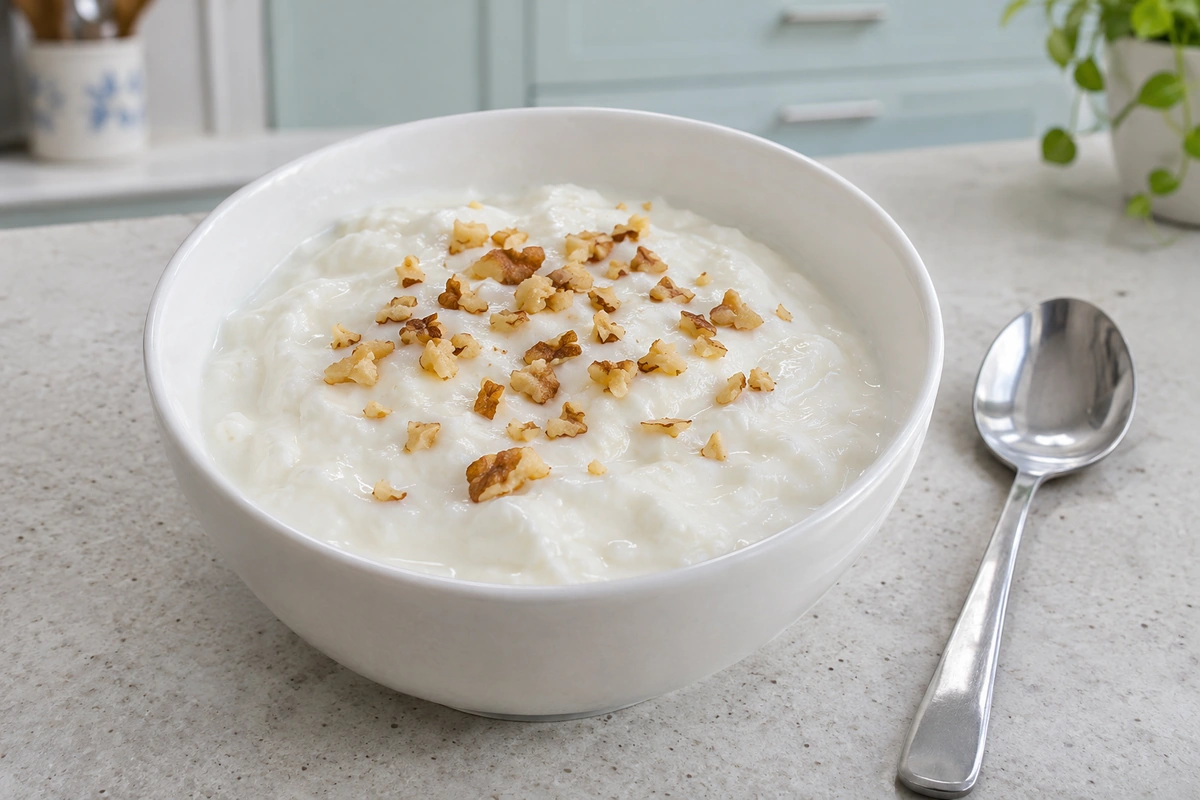
Adding walnuts does not cancel out the sugar or fat in halwa, cakes or sweetened shakes. Consider the complete recipe and portion.
Plain walnuts contain relatively little carbohydrate, but they do not reliably lower everyone’s blood sugar. If you have diabetes, include them within your usual diabetes-friendly meal planning and continue prescribed treatment and monitoring.
Who Should Be Careful With Walnuts?
People with a walnut allergy: avoid walnuts and foods containing them. Check labels and cross-contact information, including mixed nuts, desserts and bakery products. If you have another nut allergy, ask your allergy specialist which foods are safe rather than testing walnuts at home.
Seek emergency medical help for breathing difficulty, sudden throat or tongue swelling, or collapse after eating. Follow any prescribed allergy emergency plan.
People with digestive discomfort: a large portion may cause bloating or discomfort. If you otherwise tolerate walnuts, a smaller portion may suit you better. Persistent pain, vomiting or repeated reactions need assessment rather than an assumption that fibre is responsible.
People following a prescribed diet: the appropriate amount depends on your condition, laboratory results and overall meals. Discuss walnuts with your dietitian if you have restrictions, including a renal diet. There is no single safe portion for every patient.
Extra Care With Chewing or Swallowing Difficulties
Whole walnut kernels can be difficult to chew with painful teeth or poorly fitting dentures. A swallowing problem is a separate issue: chopped walnuts, soaked nuts and sticky nut butter are not automatically safe alternatives.
Coughing or choking during meals, a wet-sounding voice after eating, or a feeling of food sticking needs prompt medical assessment. Follow the food texture recommended by the swallowing specialist and dietitian rather than choosing a modified form from this article.
If an older relative needs help with daily routines and eating at home in Lahore, ConsidraCare’s Health Companion service offers assistance with daily living, including feeding. A caregiver can help follow an agreed care plan; swallowing assessment and specialised dietary advice require the relevant clinician.
Choosing and Storing Walnuts
Choose a reliable seller, check the best-before date and look for clean, dry packaging. Compare prices by edible weight where possible; in-shell walnuts include shell weight.
Keep shelled walnuts in a tightly sealed container away from heat, moisture and sunlight. Refrigeration or freezing can help preserve freshness, especially in a hot kitchen. Follow the packet’s storage guidance and buy quantities you can use while fresh.
Discard walnuts with mould or a stale, rancid smell. Do not try to make spoiled nuts usable by soaking or roasting them.
Takeaway
Walnuts can be a useful addition to everyday meals, especially when a measured portion replaces a less nutritious snack. Choose a form you enjoy and can eat safely, and keep expectations realistic about fertility, memory and other health claims. Allergies, swallowing difficulties and prescribed diets need individual advice.
Frequently Asked Questions
Is There a Best Time to Eat Walnuts?
There is no established best time or requirement to eat them on an empty stomach. Choose a time that fits your appetite and routine. Eating them before bed has not been established as a treatment for insomnia.
Can Walnuts Be Eaten in Summer?
There is no medical rule restricting walnuts to winter. Traditional descriptions of walnuts as a “hot” food do not establish that healthy adults must avoid them in summer.
Does Walnut Milk Provide the Same Nutrition as Whole Walnuts?
No. Water content, straining and added ingredients change the nutritional profile. A walnut drink may contain much less protein and fibre, while calcium and vitamin levels depend on fortification. Check the label rather than treating it as equivalent to whole nuts or dairy milk.