


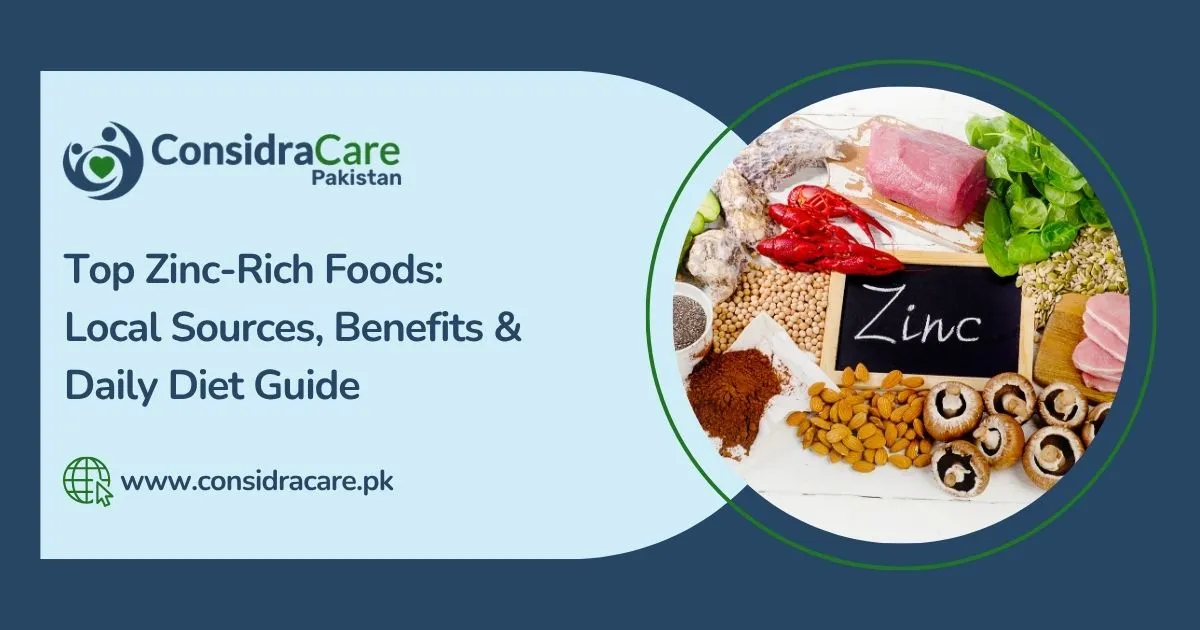
Zinc is a small but powerful mineral your body needs every day. It plays a key role in keeping your immune system strong, helping wounds heal, supporting growth, and maintaining healthy skin and hair. Since the body does not store zinc, it’s important to include zinc-rich foods in your daily diet.
In Pakistan, zinc deficiency is more common than many people realize, often due to diets that rely heavily on refined grains and lack variety. However, the solution is simple; many affordable and locally available foods can help you meet your daily zinc needs naturally.
From desi staples like daal and roti to protein-rich options like meat, eggs, and seeds, adding the right foods to your meals can make a noticeable difference in your health.
In this article, we’ll explore the best zinc-rich foods in Pakistan, their benefits, and practical ways to include them in your everyday diet.

Top Zinc-Rich Foods in Pakistan
Here are the best local and affordable sources of zinc you can easily include in your diet:
1. Meat & Poultry:

Meat is one of the most reliable and easily absorbed sources of zinc. In Pakistani diets, beef, mutton, and chicken are commonly consumed and provide a strong nutritional base.
Zinc from animal sources is more bioavailable, meaning your body absorbs it more efficiently compared to plant sources. Regular consumption of meat not only helps meet your zinc needs but also supports muscle growth, immunity, and overall strength.
Zinc Content (approx.):
- Beef (100g): 4.5–6 mg
- Mutton (100g): 3–5 mg
- Chicken (100g): 1–2 mg
How to include:
- Beef curry or kebabs
- Chicken karahi or tikka
- Mutton dishes in moderation
2. Seafood:

Seafood is another excellent source of zinc, especially for those living in coastal areas like Karachi. Fish and prawns are not only rich in zinc but also provide omega-3 fatty acids, which support brain and heart health.
Although not consumed daily in all regions, adding seafood occasionally can significantly improve your nutrient intake.
Zinc Content (approx.):
- Fish (100g): 1–2 mg
- Prawns (100g): 1.5–2 mg
How to include:
- Fried or grilled fish
- Prawn curry
- Fish masala with roti
3. Legumes (Daal & Beans):
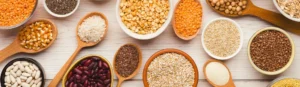
Legumes are a staple in almost every Pakistani household and are one of the best plant-based sources of zinc. Foods like daal, chickpeas (chana), and kidney beans (rajma) are affordable, filling, and nutritious.
While zinc from plant sources is slightly harder to absorb, traditional cooking methods like soaking and slow cooking help improve absorption.
Zinc Content (approx.):
- Lentils (1 cup cooked): 2–3 mg
- Chickpeas (1 cup): 2.5 mg
- Kidney beans (1 cup): 2 mg
How to include:
- Daal chawal
- Chana curry
- Rajma with rice
4. Seeds:
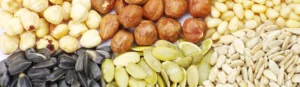
Seeds may be small, but they are packed with nutrients, including zinc. Pumpkin seeds (kaddu ke beej) are especially rich in zinc, while sesame seeds (til) are commonly used in Pakistani sweets and dishes.
They are easy to add to your diet and make for a healthy snack option.
Zinc Content (approx.):
- Pumpkin seeds (30g): 2.5–3 mg
- Sesame seeds (1 tbsp): 1–1.5 mg
- Sunflower seeds (30g): 1.5 mg
How to include:
- Sprinkle on salads or yogurt
- Add to smoothies
- Eat roasted as a snack
Read More: Health Benefits of Chia Seeds
5. Nuts & Peanuts:

Nuts and peanuts are widely available and commonly consumed in Pakistan, especially during the winter. They provide a good amount of zinc along with healthy fats and protein.
They are convenient, require no preparation, and can be eaten anytime.
Zinc Content (approx.):
- Peanuts (30g): 1 mg
- Almonds (30g): 1 mg
- Cashews (30g): 1.5 mg
How to include:
- Roasted peanuts (moongphali)
- Almonds (badam) as a snack
- Mixed nuts in breakfast
6. Dairy Products:

Dairy products like milk, yogurt (dahi), and cheese are commonly consumed across Pakistan and provide a steady amount of zinc. They also supply calcium and protein, making them essential for bone and overall health.
Dahi, in particular, is a daily staple in many households.
Zinc Content (approx.):
- Milk (1 cup): 1 mg
- Yogurt (1 cup): 1–1.5 mg
- Cheese (30g): 1 mg
How to include:
- A glass of milk daily
- Dahi with meals
- Lassi or yogurt-based drinks
7. Eggs:

Eggs are one of the most affordable and versatile sources of nutrition. While they contain moderate amounts of zinc, their real strength lies in being easy to prepare and widely available.
They are especially beneficial for students and growing teenagers.
Zinc Content (approx.):
- 1 large egg: 0.5–0.7 mg
How to include:
- Boiled eggs for breakfast
- Omelette with vegetables
- Egg paratha
8. Whole Grains:

Whole grains like whole wheat (atta), brown rice, and oats provide zinc along with fiber and energy. In Pakistan, roti made from whole wheat is a daily staple.
Although zinc absorption from grains is lower, they still contribute significantly to daily intake when eaten regularly.
Zinc Content (approx.):
- Whole wheat roti: 1 mg
- Brown rice (1 cup): 1–1.2 mg
- Oats (1 cup): 2 mg
How to include:
- Whole wheat roti instead of naan
- Brown rice occasionally
- Oats for breakfast
9. Vegetables:

Vegetables like spinach (palak) and broccoli contain small amounts of zinc but are still important for a balanced diet. They also provide vitamins and antioxidants that support overall health.
They should be combined with other zinc-rich foods for better results.
Zinc Content (approx.):
- Spinach (1 cup): 0.5 mg
- Broccoli (1 cup): 0.5 mg
How to include:
- Palak curry
- Mixed vegetable dishes
- Light stir-fries
10. Dark Chocolate:

Dark chocolate contains zinc along with antioxidants. While it shouldn’t be relied on as a main source, it can be a healthy occasional treat.
Choose chocolate with a higher cocoa content for better benefits.
Zinc Content (approx.):
- Dark chocolate (30g): 1 mg
How to include:
- Small portion as a snack
- Add to desserts occasionally
Why Zinc is Important for Your Body?
Zinc supports several essential functions:
- Boosts immunity – Helps your body fight infections
- Supports growth – Important for teens and children
- Improves skin health – Helps with acne and wound healing
- Aids digestion – Supports enzyme function
In short: Without enough zinc, your body struggles to repair, grow, and defend itself.
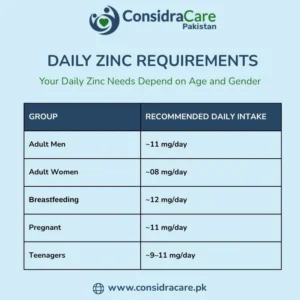
Daily Zinc Requirements:
Your daily zinc needs depend on age and gender:
Common Signs of Zinc Deficiency:
Common signs of zinc deficiency include;
- Frequent illness
- Hair fall
- Slow wound healing
- Fatigue
- Weak appetite
How to Improve Zinc Absorption?
To get the most out of your diet:
- Soak lentils and beans before cooking
- Eat a mix of plant + animal foods
- Avoid drinking tea immediately after meals
- Include protein-rich foods
Should You Take Zinc Supplements?
Zinc supplements can be helpful in certain situations, but they’re not always necessary for everyone. Most people can meet their daily needs through a balanced diet that includes meat, daal, seeds, and dairy.
When supplements may be needed:
- If a doctor confirms zinc deficiency
- Frequent infections or weak immunity
- Poor diet or limited food intake
- During recovery from illness
- For vegetarians with low zinc absorption
Common Zinc Supplements (Doctor Recommended):
Healthcare professionals may suggest:
- Zinc sulfate
- Zinc gluconate
- Zinc picolinate
These are widely available and commonly prescribed forms, but the dosage should always be guided by a doctor.
Important Caution:
- Do not self-medicate with high doses
- Excess zinc can cause nausea, stomach upset, and interfere with other minerals like copper
- Long-term overuse may weaken immunity instead of improving it
The safest approach is to prioritize food sources first and use supplements only when medically advised.
Conclusion:
Zinc is essential for immunity, growth, and overall health, and the best part is that you can get enough of it from everyday foods. From meat and eggs to daal, seeds, and dairy, simple diet choices can make a big difference.
By eating a balanced mix of these foods regularly, you can naturally maintain healthy zinc levels without relying on supplements. Supplements can help if needed, but they should only be taken on a doctor’s advice.
Frequently Asked Questions – FAQs
1. What food is highest in zinc?
Foods highest in zinc include beef, shellfish (especially oysters), and pumpkin seeds. Among these, animal-based sources like meat and seafood provide zinc that is more easily absorbed by the body.
2. What fruit is high in zinc?
Fruits are generally low in zinc. However, options like avocados, bananas, and berries contain small amounts. They can contribute to your overall intake but are not primary sources.
3. How to get 100% daily value of zinc?
To meet your daily zinc needs (around 8–11 mg), include a mix of foods such as:
- Meat or eggs
- Legumes like lentils or chickpeas
- Nuts and seeds
- Dairy products
Combining both animal and plant sources throughout the day helps ensure you reach 100% of your requirement.
4. Are dates high in zinc?
Dates are not high in zinc. They contain only small amounts, but they are still a good source of energy, fiber, and other nutrients.
5. Is milk high in zinc?
Milk contains a moderate amount of zinc, but it is not considered a high source. It works best as part of a balanced diet alongside other zinc-rich foods.

