


Blood sugar levels play a major role in your overall health. Whether you have diabetes, prediabetes, or simply want to understand your glucose levels better, knowing what is considered “normal” can help you spot problems early and make healthier choices.
Blood sugar, also called blood glucose, changes throughout the day based on what you eat, your activity level, stress, sleep, medications, and overall health. While occasional fluctuations are normal, consistently high or low readings may signal an underlying issue.
This guide explains normal blood sugar levels, how they are measured, what different ranges mean, and when you should speak with a doctor.
What Is a Normal Blood Sugar Level?
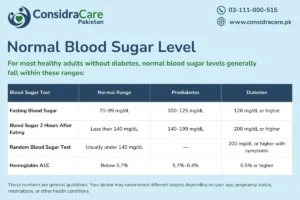
Normal blood sugar levels depend on when the test is taken. Your glucose naturally rises after eating and falls between meals. For most healthy adults without diabetes, fasting blood sugar typically stays between 70 and 99 mg/dL, while blood sugar after eating usually remains below 140 mg/dL.
Doctors use several tests to evaluate blood sugar, including fasting glucose, post-meal glucose, random blood sugar, and A1C. These tests help identify whether blood sugar is normal, in the prediabetes range, or consistent with diabetes.
Read More: 7 Healthy Lifestyle Tips for Effective Diabetes Management
Normal Blood Sugar Levels Charts
Use the charts below to compare normal blood sugar levels by test type, meal timing, and overall glucose control.
Fasting Blood Sugar Levels:
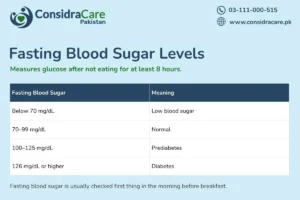
A fasting blood sugar test measures glucose levels after not eating for at least 8 hours. It is one of the most common tests used to screen for prediabetes and diabetes because it shows how your body regulates glucose without the immediate effect of food.
Healthy fasting blood sugar levels generally range from 70 to 99 mg/dL. Levels above this range may suggest insulin resistance or problems with blood sugar control.
Blood Sugar Levels After Eating:
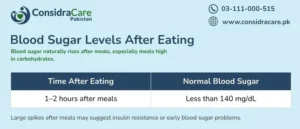
Blood sugar naturally increases after meals, especially meals high in carbohydrates. In people without diabetes, the body quickly releases insulin to bring glucose levels back down.
Most healthy adults should have blood sugar levels below 140 mg/dL two hours after eating. By 3 to 4 hours after a meal, blood sugar usually returns close to fasting levels.
Frequent large spikes after meals may be an early sign of insulin resistance or prediabetes.
Normal HbA1C Levels:
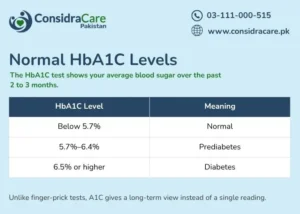
The HbA1C test measures your average blood sugar over the previous 2 to 3 months. Unlike a finger-prick test, which shows glucose at one moment in time, A1C provides a long-term picture of blood sugar control.
An A1C below 5.7% is considered normal. Higher levels may indicate prediabetes or diabetes.
Doctors often use A1C to diagnose diabetes and monitor long-term glucose management.
Random Blood Sugar Levels:
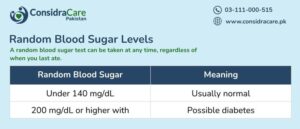
A random blood sugar test can be taken at any time, regardless of when you last ate. While this test alone is not always enough to diagnose diabetes, very high random glucose levels combined with symptoms may indicate a blood sugar disorder.
For most people without diabetes, random blood sugar levels usually remain under 140 mg/dL throughout the day.
Normal Blood Sugar Levels by Age
Blood sugar targets can vary slightly by age and health status. However, age alone does not dramatically change what is considered a healthy glucose level.
Children and Teens:
Children generally have similar blood sugar targets as adults, though doctors may allow slightly wider ranges in very young children to reduce the risk of low blood sugar.
Typical fasting target:
- 70–100 mg/dL
Adults:
For healthy adults without diabetes:
- Fasting: 70–99 mg/dL
- After meals: Less than 140 mg/dL
For adults with diabetes, many healthcare providers recommend:
- 80–130 mg/dL before meals
- Less than 180 mg/dL after meals
Older Adults:
Older adults may have slightly higher blood sugar targets if they:
- take insulin
- have multiple medical conditions
- are at higher risk for hypoglycemia
This helps reduce the risk of dangerous low blood sugar episodes.
What Blood Sugar Level Is Considered Dangerous?
Both very low and very high blood sugar levels can become medical emergencies.
Dangerously Low Blood Sugar:
Blood sugar below 70 mg/dL is considered low.
Severe hypoglycemia may happen below 55 mg/dL.
Symptoms of Low Blood Sugar
- Shaking
- Sweating
- Dizziness
- Hunger
- Confusion
- Anxiety
- Fast heartbeat
- Blurred vision
Severe cases can lead to:
- seizures
- fainting
- loss of consciousness
Immediate treatment is important.
Read More: What causes low blood sugar without diabetes?
Dangerously High Blood Sugar:
Blood sugar above 180 mg/dL after meals is considered high for many people.
Very high levels above 240 mg/dL may increase the risk of diabetic ketoacidosis (DKA), especially in people with type 1 diabetes.
Symptoms of High Blood Sugar
- Extreme thirst
- Frequent urination
- Dry mouth
- Fatigue
- Blurred vision
- Headaches
- Nausea
Seek medical care if high blood sugar is persistent or accompanied by vomiting, confusion, or breathing problems.
Why Blood Sugar Levels Change Throughout the Day?
Blood sugar is constantly changing. Small fluctuations are normal.
Several factors affect glucose levels:
Meals and Carbohydrates:
Carbohydrates raise blood sugar faster than proteins or fats.
Sugary drinks, white bread, desserts, and processed foods often cause bigger spikes.
Exercise:
Physical activity usually lowers blood sugar because muscles use glucose for energy.
However, intense exercise can temporarily raise blood sugar in some people.
Stress
Stress hormones like cortisol can increase blood sugar levels, even if you have not eaten recently.
Poor Sleep:
Lack of sleep may reduce insulin sensitivity and increase morning glucose levels.
Illness:
When you are sick, the body releases stress hormones that may raise blood sugar.
Dawn Phenomenon:
Some people experience higher blood sugar in the early morning due to natural hormone changes before waking up.
This is called the dawn phenomenon.
Dehydration:
Not drinking enough water can make blood sugar more concentrated in the bloodstream.
How to Check Blood Sugar Levels?
There are several ways to measure blood sugar.
1. Finger-Prick Glucose Meters:
A glucometer measures blood sugar using a small drop of blood from your fingertip. These devices are commonly used at home and provide quick results.
2. Continuous Glucose Monitors (CGMs):
A CGM uses a small sensor placed under the skin to track glucose levels throughout the day and night.
CGMs help identify:
- trends
- overnight changes
- meal-related spikes
- low blood sugar episodes
3. HbA1C Blood Test:
The A1C test is usually done in a laboratory or healthcare setting. It measures your average blood sugar over several months rather than a single moment.
When Should You Check Your Blood Sugar?
The best testing schedule depends on whether you have diabetes and what medications you take.
Common times to check include:
- First thing in the morning
- Before meals
- Two hours after meals
- Before exercise
- At bedtime
- Whenever symptoms occur
People without diabetes usually do not need daily testing unless advised by a doctor.
How to Keep Blood Sugar in a Healthy Range?
Healthy lifestyle habits play a major role in blood sugar control.
Diabetes-friendly diet plans rich in protein, fiber, and healthy fats can help prevent large glucose spikes. Regular exercise improves insulin sensitivity and helps the body use glucose more effectively.
Good sleep, stress management, proper hydration, and limiting sugary foods can also support stable blood sugar levels over time.
When to See a Doctor?
Talk to a healthcare provider if you:
- regularly have fasting blood sugar above 100 mg/dL
- experience symptoms of high or low blood sugar
- have unexplained fatigue or frequent urination
- notice blurred vision
- have an A1C in the prediabetes or diabetes range
- experience repeated low blood sugar episodes
Early treatment can help prevent long-term complications.
Final Thoughts:
Normal blood sugar levels vary throughout the day, but consistently healthy ranges are important for long-term health. Understanding your fasting glucose, after-meal blood sugar, and A1C can help you recognize early warning signs of diabetes or other metabolic problems.
If your numbers are consistently outside the normal range, speak with a healthcare professional for proper testing and guidance.
Frequently Asked Questions-FAQs:
1. What is the best time to check blood sugar?
The best time to check blood sugar depends on why you are testing and whether you have diabetes.
Common times to check blood sugar include:
- First thing in the morning (fasting)
- Before meals
- Two hours after meals
- Before exercise
- At bedtime
- Whenever symptoms occur
Fasting blood sugar tests are usually done in the morning before eating or drinking anything except water. This gives the clearest picture of your baseline glucose level.
Checking blood sugar two hours after meals helps show how your body responds to food and insulin.
2. Which organ is most affected by diabetes?
Diabetes affects several organs, but the pancreas is the main organ involved because it produces insulin, the hormone that controls blood sugar.
Over time, high blood sugar can also damage:
- Heart
- Kidneys
- Eyes
- Nerves
- Blood vessels
Long-term uncontrolled diabetes increases the risk of heart disease, kidney disease, vision loss, and nerve damage.
3. What is the danger zone for blood sugar?
Blood sugar levels become dangerous when they are either too low or too high.
Dangerously Low Blood Sugar
- Below 70 mg/dL: Low blood sugar (hypoglycemia)
- Below 55 mg/dL: Severe hypoglycemia requiring urgent treatment
Dangerously High Blood Sugar
- Above 240 mg/dL: Very high blood sugar
- Above 300 mg/dL: Medical attention may be needed, especially with symptoms
Severely high blood sugar can lead to serious complications such as diabetic ketoacidosis (DKA) or hyperosmolar hyperglycemic state (HHS).
4. What is type 2 diabetes sugar level?
Type 2 diabetes is diagnosed when blood sugar levels consistently fall within the diabetic range.
Common diagnostic levels include:
- Fasting blood sugar: 126 mg/dL or higher
- A1C: 6.5% or higher
- Random blood sugar: 200 mg/dL or higher with symptoms
- Two-hour glucose test: 200 mg/dL or higher
A doctor usually confirms the diagnosis with repeat testing.
5. What is normal HbA1c by age?
For most healthy adults, a normal HbA1c level is below 5.7%, regardless of age.
General HbA1c ranges include:
- Below 5.7%: Normal
- 5.7%–6.4%: Prediabetes
- 6.5% or higher: Diabetes
Older adults with diabetes may sometimes have slightly higher target HbA1c goals depending on their health condition, medications, and risk of low blood sugar.
6. What is a pre-diabetic sugar level?
Prediabetes means blood sugar levels are higher than normal but not high enough to be diagnosed as diabetes.
Prediabetes ranges include:
- Fasting blood sugar: 100–125 mg/dL
- A1C: 5.7%–6.4%
- Two-hour glucose test: 140–199 mg/dL
Prediabetes increases the risk of developing type 2 diabetes, heart disease, and stroke, but lifestyle changes can often help reverse it.

