


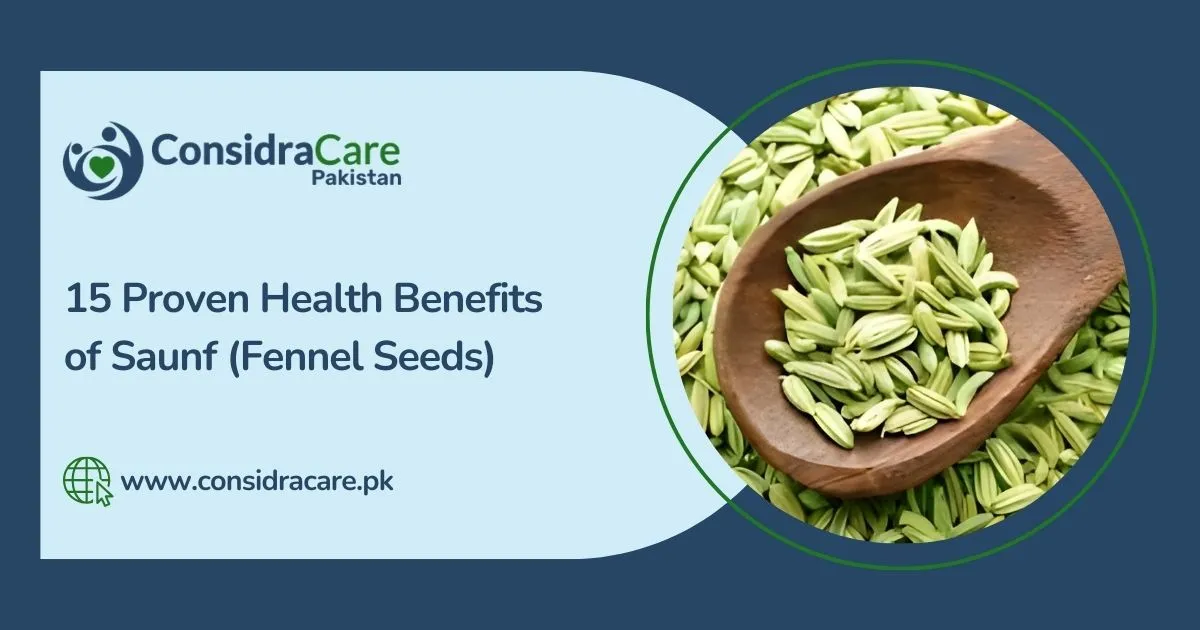
Saunf, also known as fennel seeds, is a popular spice used in many South Asian households. Known for their mild sweetness and refreshing flavor, fennel seeds are often chewed after meals or used in herbal teas and cooking.
Beyond their taste, fennel seeds contain fiber, antioxidants, vitamins, and plant compounds that support digestion, immunity, heart health, and hormonal balance.
In traditional medicine systems like Ayurveda, fennel seeds are commonly used to improve digestion and reduce bloating. Modern research also shows that their nutrients and bioactive compounds may support overall wellness.
In this article, we’ll talk about the health benefits of fennel seeds, their nutrition, and simple ways to add them to your diet.

Nutritional Value of Fennel Seeds:
Fennel seeds are rich in nutrients and plant compounds that support health.
Key nutrients found in fennel seeds include:
-
Fiber – supports digestion and gut health
-
Vitamin C – supports immunity and skin health
-
Vitamin A – helps maintain good eyesight
-
Calcium – supports bone health
-
Iron – helps produce red blood cells
-
Potassium – helps regulate blood pressure
-
Magnesium – supports nerve and muscle function
-
Selenium and zinc – support immune function
Fennel seeds also contain antioxidants such as anethole, flavonoids, and polyphenols, which help reduce inflammation and protect the body from oxidative stress.
Top Health Benefits of Saunf (Fennel Seeds)
Fennel seeds are known for the following proven benefits:
1. Supports Healthy Digestion:
Fennel seeds are best known for their digestive benefits. They help stimulate digestive enzymes and support smooth digestion.
Regular consumption may help:
-
reduce indigestion
-
improve nutrient absorption
-
soothe the stomach after meals
This is why fennel seeds are often eaten after meals in many cultures.
2. Helps Reduce Bloating & Gas:
Saunf contains natural compounds with carminative properties that relax digestive muscles. This helps reduce gas buildup and abdominal discomfort.
Drinking fennel tea or chewing fennel seeds after meals may help relieve:
-
bloating
-
stomach cramps
-
excess gas
3. Freshens Breath Naturally:
Fennel seeds act as a natural mouth freshener. Their essential oils have mild antibacterial properties that may help reduce odor-causing bacteria in the mouth.
Chewing fennel seeds can help:
-
freshen breath
-
improve oral hygiene
-
increase saliva production
4. Relieves Constipation:
Fennel seeds contain dietary fiber that supports healthy bowel movements. They also have mild laxative and muscle-relaxing properties, which help improve stool movement and support gut health.
Regular intake may help:
-
reduce constipation
-
support regular digestion
-
maintain a healthy gut environment
5. Help Reduce Menstrual Discomfort:
Fennel seeds contain phytoestrogens, plant compounds that may mimic estrogen in the body. These compounds may help relax uterine muscles and reduce menstrual cramps.
Women may benefit from fennel seeds through:
-
reduced period pain
-
improved hormonal balance
-
relief from menstrual discomfort
6. Supports Female Reproductive Health:
Fennel contains plant compounds that may have mild estrogen-like effects. These compounds may support hormonal balance in women.
This may help with:
-
menstrual cycle regulation
-
reproductive health support
-
hormonal stability
7. Supports Weight Management:
Fennel seeds may support weight management by improving digestion and helping control appetite.
Potential benefits include:
-
improved metabolism
-
reduced hunger cravings
-
better digestion of nutrients
Drinking fennel seed water in the morning is commonly used for this purpose.
8. Helps Detoxify the Body:
Fennel seeds act as a mild diuretic, which helps the body remove excess fluids and toxins.
This may help support:
-
kidney function
-
detoxification processes
-
reduced water retention
9. Boosts Immunity:
The antioxidants and vitamin C in fennel seeds help support immune function. These compounds help the body fight harmful free radicals.
Regular consumption may help:
-
strengthen immune response
-
reduce oxidative stress
-
support overall health
10. Supports Heart Health:
Fennel seeds contain fiber and potassium, both important for cardiovascular health.
These nutrients help:
-
regulate blood pressure
-
support healthy cholesterol levels
-
improve circulation
11. Helps Regulate Blood Sugar:
Fennel seeds contain fiber that slows the absorption of sugar in the bloodstream. Some studies suggest that bioactive compounds in fennel may also help improve insulin sensitivity.
This may be helpful for:
-
managing blood glucose levels
-
supporting metabolic health
-
reducing insulin resistance
However, more research is still needed.
12. Supports Eye Health:
Fennel seeds contain vitamin A and antioxidants that help protect eye cells from damage.
These nutrients may help support:
-
vision health
-
protection from oxidative stress
-
overall eye function
13. Improves Skin Health:
The antioxidants in fennel seeds help protect skin cells from damage caused by pollution, UV rays, and oxidative stress.
Possible benefits include:
-
clearer skin
-
reduced inflammation
-
improved skin glow
-
protection against acne-causing bacteria
14. Helps Reduce Cancer Risk:
Fennel seeds contain antioxidant compounds such as anethole that may help protect cells from damage.
Early research suggests these compounds may help slow the growth of harmful cells, but more studies are needed.
15. Increase Milk Production in Lactating Mothers:
Fennel seeds are traditionally used to support milk production in breastfeeding mothers.
The plant compounds in fennel may help stimulate lactation. However, breastfeeding mothers should consult a healthcare professional before using fennel supplements.
How to Use Fennel Seeds in Your Diet?
Fennel seeds are easy to include in daily meals.
1. Fennel Tea:
Fennel tea is a simple way to enjoy its digestive benefits.
How to prepare:
-
Add 1 teaspoon fennel seeds to hot water
-
Let it steep for 5–10 minutes
-
Strain and drink
You can add honey or lemon for flavor.
2. Fennel Seed Water:
Many people drink fennel seed water in the morning.
How to prepare:
-
Soak 1 teaspoon fennel seeds in water overnight
-
Drink the water the next morning
3. Use in Cooking:
Fennel seeds are widely used in cooking to add flavor and aroma.
You can add them to:
-
curries
-
vegetable dishes
-
soups
-
spice blends
4. Roasted Fennel Seeds:
Lightly roasting fennel seeds enhances their flavor. They can be eaten as a healthy snack or after meals.
5. Add to Baked Goods:
Fennel seeds can also be used in breads, cookies, and other baked foods to add a mild sweet flavor. It also pairs well with spices like cinnamon and cardamom.
Things to Watch Out For:
Fennel seeds are generally safe when consumed in normal food amounts. However:
-
Excessive intake may cause allergic reactions in some people
-
Pregnant women should consult a healthcare professional before consuming large amounts
-
Fennel supplements may interact with certain medications
Moderation is important.
Conclusion:
Saunf (fennel seeds) may be small, but they provide a wide range of health benefits, including improved digestion, reduced bloating, better heart health, and antioxidant support.
Because of their pleasant flavor and versatility, fennel seeds are easy to add to your daily routine through teas, cooking, or simply chewing them after meals.
As with any natural remedy, moderation and a balanced diet are key.
Frequently Asked Questions – FAQ’s
1. What happens if we eat fennel seeds daily?
Eating fennel seeds daily in moderate amounts (½–1 teaspoon) can provide several benefits:
- Improves digestion and reduces bloating
- Freshens breath naturally
- Helps relieve gas and acidity
- May help regulate blood pressure
- Provides antioxidants and vitamins (A, C, calcium, and iron)
- Can support metabolism and mild weight management
However, excessive intake may cause unwanted effects.
2. What does fennel do for a woman’s body?
Fennel contains plant compounds called phytoestrogens, which can mildly mimic estrogen.
Possible benefits for women:
- May help regulate menstrual cycles
- Can reduce menstrual cramps and PMS symptoms
- May support hormonal balance
- Sometimes used to increase breast milk production in breastfeeding mothers
- May help with menopause symptoms like hot flashes
3. Do fennel seeds increase prolactin levels?
Yes, fennel may slightly increase prolactin levels.
This is why fennel is sometimes used as a natural galactagogue (a substance that helps increase breast milk production).
But the effect is usually mild and not guaranteed, and scientific evidence is still limited.
4. What are the side effects of fennel seeds?
If consumed in large amounts, fennel seeds may cause:
- Allergic reactions (rare)
- Hormonal effects due to phytoestrogens
- Increased sensitivity to sunlight
- Nausea or stomach irritation in some people
- Possible interaction with hormone-sensitive conditions
People with hormone-related diseases should consult a doctor before using fennel regularly.
5. What is the best time to take fennel?
The most common times are:
After meals – best for digestion and reducing bloating
Before bed – can help with digestion and fresh breath
Morning (fennel water) – sometimes used for metabolism and detox
A common method is ½–1 teaspoon after meals.
Tip: Chewing fennel seeds after meals is the traditional way to get the most digestive benefits.

