


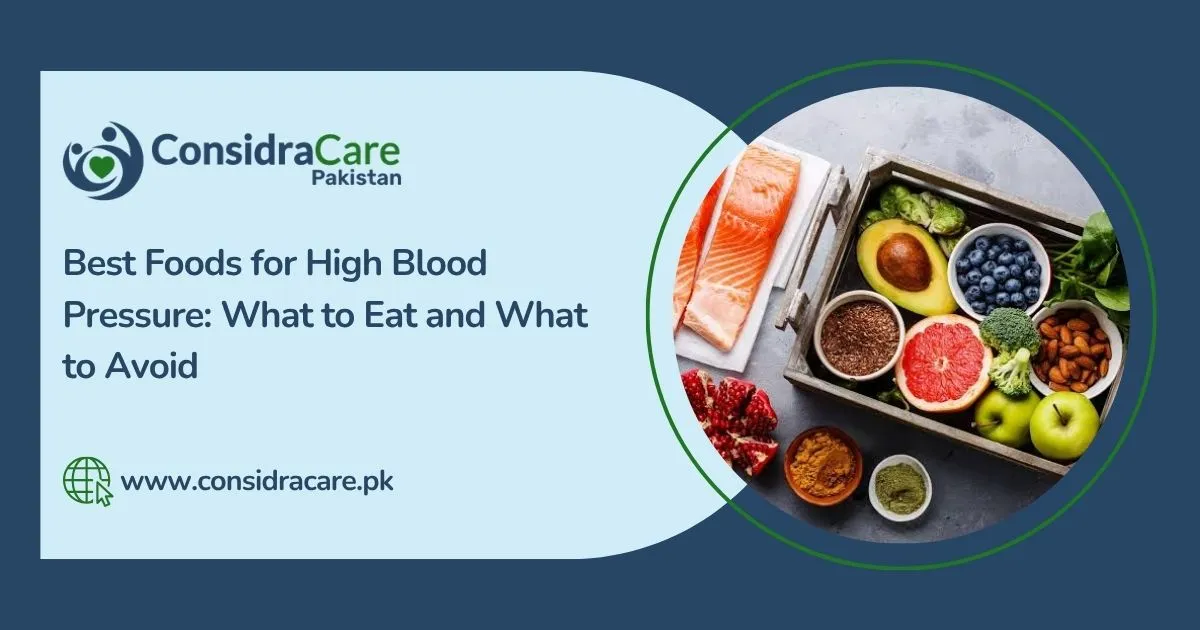
High blood pressure, also known as hypertension, affects millions of people worldwide and is a major risk factor for heart disease, stroke, and kidney problems. While medications are often necessary, your daily food choices can play a significant role in managing blood pressure.
Research consistently shows that diets rich in fruits, vegetables, whole grains, legumes, healthy fats, and lean proteins can help support healthy blood pressure levels. At the same time, reducing excess sodium and highly processed foods can make a meaningful difference.
This guide explains the best foods for high blood pressure, why they work, and how to include them in your daily meals.
How Food Affects Blood Pressure?
Blood pressure is influenced by several factors, including age, genetics, physical activity, body weight, and diet.
Certain nutrients can help relax blood vessels, improve circulation, and balance the effects of sodium in the body. Foods rich in potassium, magnesium, calcium, fiber, and omega-3 fatty acids are particularly beneficial for people with hypertension.
On the other hand, diets high in sodium, added sugars, and processed foods can contribute to elevated blood pressure over time.
Key Nutrients That Help Lower Blood Pressure:
Potassium: Potassium helps balance sodium levels in the body and supports healthy blood vessel function. Many people consume too much sodium and not enough potassium.
Magnesium: Magnesium helps regulate blood vessel tone and supports normal heart function. A diet rich in magnesium-containing foods may contribute to healthier blood pressure levels.
Calcium: Calcium plays an important role in blood vessel contraction and relaxation. Dairy products, fortified foods, and certain vegetables are good sources.
Fiber: Fiber supports heart health and may help improve blood pressure by promoting healthy cholesterol levels and weight management.
Omega-3 Fatty Acids: Omega-3 fats found in fatty fish can help support cardiovascular health and reduce inflammation.
Dietary Nitrates: Naturally occurring nitrates found in vegetables such as beetroot and leafy greens can improve blood vessel function and support healthy circulation.
15 Best Foods for High Blood Pressure
1. Leafy Greens:
Spinach, kale, Swiss chard, and other leafy greens are rich in potassium, magnesium, and nitrates.
These nutrients help the body manage sodium levels and support healthy blood vessel function.
Ways to eat them:
- Add spinach to omelets
- Blend greens into smoothies
- Include salads with lunch or dinner
2. Berries:
Blueberries, strawberries, raspberries, and blackberries contain antioxidants called anthocyanins.
These compounds may help support blood vessel health and improve circulation.
Ways to eat them:
- Add to oatmeal
- Mix into yogurt
- Enjoy as a snack
3. Bananas:
Bananas are one of the most well-known sources of potassium.
A medium banana can be an easy way to increase potassium intake while providing fiber and other beneficial nutrients.
4. Citrus Fruits:
Oranges, grapefruit, lemons, and limes provide vitamin C, potassium, and plant compounds that support heart health.
Fresh citrus fruits make a healthy alternative to sugary snacks and desserts.
5. Beans and Lentils:
Beans, lentils, chickpeas, and peas are rich in potassium, magnesium, fiber, and plant protein.
They can help support heart health while providing a filling alternative to processed foods.
Popular options include:
- Masoor daal
- Moong daal
- Rajma
- Chana
6. Fatty Fish:
Salmon, sardines, trout, and mackerel are rich sources of omega-3 fatty acids.
Including fish in your diet two to three times per week may support overall cardiovascular health.
7. Oats:
Oats contain soluble fiber that supports heart health and may help improve blood pressure and cholesterol levels.
A bowl of oatmeal with fruit is a simple blood pressure-friendly breakfast.
8. Yogurt
Plain yogurt provides calcium, potassium, and protein.
Choose unsweetened varieties whenever possible to avoid excess sugar.
9. Nuts and Seeds
Almonds, walnuts, pistachios, chia seeds, flaxseeds, and pumpkin seeds provide healthy fats, magnesium, and fiber.
A small handful can make a nutritious snack.
10. Tomatoes
Tomatoes contain potassium and lycopene, an antioxidant associated with heart health.
Fresh tomatoes, tomato salads, and homemade sauces can all be part of a healthy diet.
11. Beetroot
Beetroot is one of the richest dietary sources of nitrates.
These compounds help relax blood vessels and improve blood flow.
Beetroot can be eaten roasted, boiled, or blended into juice.
12. Potatoes
When prepared without excessive salt or frying, potatoes provide potassium and fiber.
Baked or boiled potatoes are healthier choices than fries or chips.
13. Avocados
Avocados contain potassium, fiber, and heart-healthy fats.
They can be added to salads, sandwiches, or enjoyed as a spread.
14. Garlic
Garlic contains compounds that may help support blood vessel relaxation and cardiovascular health.
Fresh garlic can be added to soups, curries, vegetables, and sauces.
15. Olive Oil
Olive oil is a key component of Mediterranean-style diets, which are associated with better heart health.
Use it in salad dressings or for light cooking instead of highly processed fats.
Best Pakistani Foods for High Blood Pressure
Many traditional Pakistani foods can fit into a blood pressure-friendly diet.
Good options include:
- Daal (lentils)
- Chana
- Rajma
- Sarson ka saag
- Bhindi
- Guava
- Pomegranate
- Plain lassi
- Fresh seasonal vegetables
- Whole wheat roti
The key is to prepare these foods with moderate amounts of salt and avoid excessive oil.
Foods to Limit or Avoid
Salty Foods
Too much sodium can raise blood pressure.
Common high-sodium foods include:
- Pickles
- Chips
- Instant noodles
- Processed sauces
- Packaged snacks
Processed Meats
Foods such as sausages, hot dogs, and deli meats often contain large amounts of sodium and preservatives.
Fast Food
Fast foods are often high in sodium, saturated fat, and calories.
Sugary Drinks
Soft drinks, sweetened juices, and energy drinks may contribute to weight gain and poor cardiovascular health.
Excess Alcohol
Heavy alcohol intake can raise blood pressure and increase the risk of heart disease.
Sample One-Day Meal Plan for High Blood Pressure:
Breakfast: Oatmeal topped with berries and walnuts
Mid-Morning Snack: A banana and a handful of almonds
Lunch: Mixed vegetable salad, grilled chicken, and whole wheat roti
Afternoon Snack: Plain yogurt with sliced fruit
Dinner: Grilled fish, sautéed spinach, and lentil soup
Evening Option: Fresh fruit or unsalted nuts
Other Ways to Help Manage Blood Pressure
Diet works best when combined with other healthy habits.
Consider:
- Exercising regularly
- Maintaining a healthy weight
- Getting adequate sleep
- Managing stress
- Quitting smoking
- Taking prescribed medications as directed
Small lifestyle changes can add up to significant long-term benefits.
When to See a Doctor?
If your blood pressure remains elevated despite lifestyle changes, consult a healthcare professional.
Seek medical advice immediately if you experience symptoms such as chest pain, severe headaches, shortness of breath, or sudden vision changes.
Final Thoughts:
The best foods for high blood pressure are generally the same foods that support overall heart health. Leafy greens, berries, beans, lentils, fatty fish, nuts, seeds, and potassium-rich fruits provide nutrients that help support healthy blood pressure levels.
Rather than focusing on a single “superfood,” aim to build a balanced eating pattern rich in whole foods while limiting excess sodium and highly processed products. Combined with regular exercise and medical care when needed, a healthy diet can be a powerful tool for managing blood pressure and supporting long-term health.

