


Black chana, also known as kala chana or desi chickpeas, is a nutrient-dense legume commonly eaten across Pakistan and South Asia. It provides plant-based protein, dietary fiber, iron, folate, magnesium, potassium, and other important nutrients that can contribute to a balanced diet.
The main black chana benefits come from this combination of protein, fiber, complex carbohydrates, vitamins, minerals, and naturally occurring plant compounds. Regularly including black chana in meals may support digestion, satiety, heart health, normal blood formation, and overall nutritional intake.
This article focuses on whole black chana, particularly soaked, boiled, or cooked black chana, rather than roasted black chana.
What Is Black Chana?
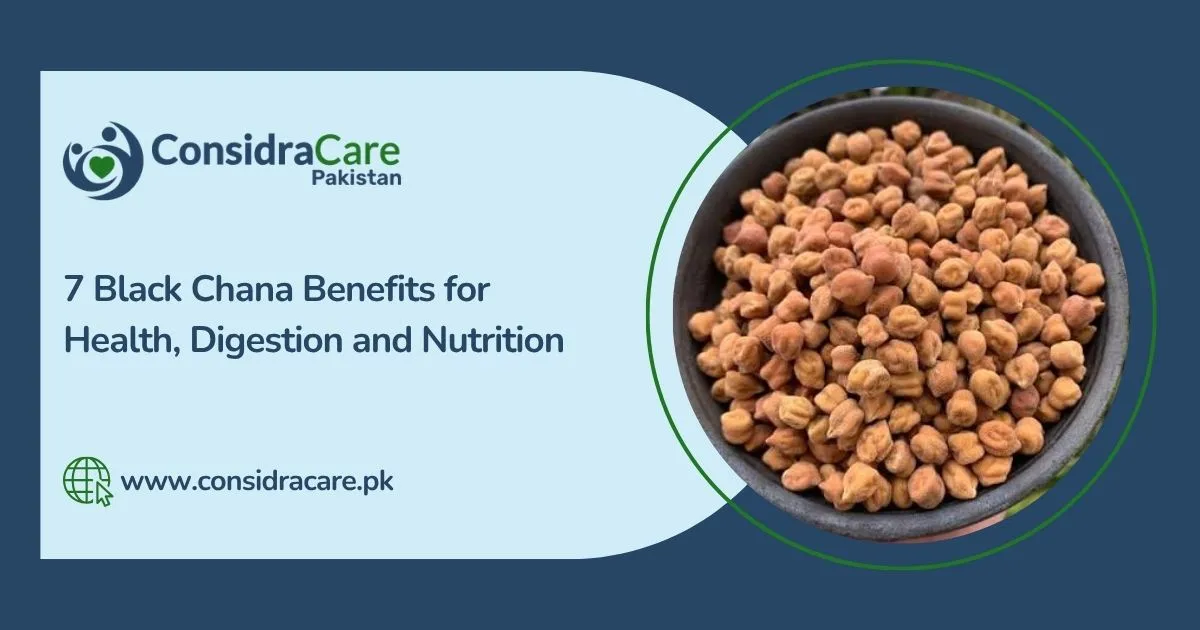
Black chana is a smaller, darker variety of chickpea with a firmer texture and stronger flavor than the larger light-colored chickpeas commonly called kabuli chana.
It is traditionally used in curries, chaat, salads, and other everyday dishes. Because it provides both plant protein and fiber, black chana can be particularly useful for people looking to make meals more filling without relying entirely on animal protein.
Black Chana Nutritional Value
Black chana contains several nutrients that contribute to its health benefits. The ranking references highlight protein, fiber, iron, folate, magnesium, phosphorus, potassium, and other micronutrients as important parts of its nutritional profile.
| Nutrient | Why It Matters |
|---|---|
| Protein | Helps maintain and repair body tissues |
| Fiber | Supports digestion and helps promote fullness |
| Iron | Contributes to normal red blood cell formation |
| Folate | Supports normal cell growth and blood formation |
| Magnesium | Supports normal muscle and nerve function |
| Potassium | Contributes to normal cardiovascular and muscle function |
| Complex carbohydrates | Provide a steady source of dietary energy |
The exact nutrient content depends on serving size and how the black chana is prepared.
7 Important Black Chana Benefits
1. Provides Plant-Based Protein:
One of the most valuable benefits of black chana is its protein content.
Protein is required for maintaining muscles, repairing tissues, and carrying out many normal body functions. Black chana therefore provides a useful protein source for vegetarians as well as people who simply want to include more plant-based foods in their diet.
However, black chana does not have to replace other protein foods completely. Combining legumes with a varied diet containing grains, vegetables, dairy, eggs, meat, or other protein sources can help improve overall nutritional balance.
2. Supports Healthy Digestion:
Black chana is naturally rich in dietary fiber, which is one reason it can be beneficial for digestive health.
Fiber adds bulk to the diet and supports regular bowel movements. It also plays an important role in maintaining a healthier digestive environment.
People who do not regularly eat fiber-rich foods may experience temporary gas or bloating when they suddenly start eating large amounts of legumes. Soaking black chana, cooking it thoroughly, and increasing portions gradually can make it easier to tolerate.
3. Helps You Stay Full for Longer:
The combination of protein and fiber in black chana can make meals more satisfying.
Both nutrients take longer to digest than many highly refined foods, which can help you feel full for longer after eating. This may make it easier to manage unnecessary snacking and overall food intake.
For this reason, black chana can be a useful food in a balanced weight-management diet. It should not, however, be considered a weight-loss remedy on its own.
4. Support Healthy Blood Sugar Management:
Black chana contains fiber and complex carbohydrates, making it different from foods based largely on refined carbohydrates.
Fiber can slow digestion and the absorption of carbohydrates, which may help support more gradual changes in blood glucose after a meal. This is one reason legumes are commonly included in balanced dietary patterns.
The ranking references also discuss black chana in relation to blood sugar management.
People with diabetes should still consider their total carbohydrate intake, serving size, medications, and individual dietary plan rather than treating black chana as a treatment for high blood sugar.
5. Supports Heart Health:
Another important black chana benefit is its overall heart-friendly nutritional profile.
Its fiber content can form part of a diet designed to support healthy cholesterol levels, while minerals such as potassium and magnesium are involved in normal cardiovascular function.
Black chana is also naturally low in saturated fat when it is prepared without large amounts of butter, ghee, cream, or fried ingredients.
The benefit therefore depends partly on preparation. A simple boiled black chana salad and a heavily fried chana dish may contain the same legume but have very different overall nutritional profiles.
6. Provides Iron and Folate:
Black chana contains iron and folate, two nutrients involved in normal blood formation.
Iron is required for the production of hemoglobin, which helps carry oxygen around the body. Folate is also involved in cell division and normal red blood cell formation.
Including foods such as black chana can therefore contribute to overall iron and folate intake, particularly in diets that contain limited amounts of meat.
Black chana should not be considered a treatment for iron deficiency or anemia. People with diagnosed deficiencies may need individualized dietary advice or supplementation.
7. Provides Important Minerals and Plant Compounds:
Black chana provides more than just protein and fiber. It also contains minerals such as magnesium, potassium, and phosphorus, along with naturally occurring antioxidant compounds. The ranking content also highlights these nutrients as part of black chana’s broader nutritional value.
Rather than thinking of black chana as a “superfood,” it is more useful to see it as a nutrient-dense whole food that can strengthen the overall quality of a balanced diet.
Black Chana Benefits for Males:
People often search specifically for black chana benefits for male, but most of its nutritional benefits are not exclusive to men.
For men, black chana can provide plant protein for muscle maintenance, complex carbohydrates for dietary energy, fiber for digestive health and satiety, and minerals that support normal body functions.
It can be particularly useful in meals for physically active people because it combines carbohydrates and protein in one food.
However, muscle growth, energy levels, and fitness depend on overall calorie intake, total protein intake, exercise, recovery, sleep, and many other factors. Eating black chana alone will not produce these outcomes.
Black Chana Benefits for Females:
The black chana benefits for female largely come from the same nutrient profile, although iron and folate may be particularly relevant for some women.
Women can benefit from black chana as a source of plant-based protein, fiber, iron, folate, magnesium, and other nutrients. Its protein and fiber may also help make meals more filling.
Iron requirements can vary according to age, menstruation, pregnancy, and individual health circumstances. Someone who has low iron levels should not rely only on black chana and should seek appropriate professional advice.
What’s the Best Way to Eat Black Chana?
Black chana can be included in the diet in several simple ways.
It can be soaked overnight and then boiled until tender, added to salads, mixed into chana chaat, or cooked in a curry with vegetables and spices. The ranking references similarly describe boiled, sprouted, salad, and curry preparations as common ways of using black chana.
For most people, a simple preparation works well:
Soak the black chana → rinse it → cook it thoroughly → add it to a balanced meal.
Soaking and thorough cooking can also improve texture and make legumes easier to digest.
How Much Black Chana Can You Eat?
There is no single ideal serving that applies to everyone.
Your needs depend on your age, total calorie intake, activity level, other foods in your diet, and digestive tolerance.
For most healthy adults, black chana can be eaten in moderate portions as part of meals. If you are not accustomed to eating legumes, starting with a smaller portion and gradually increasing it may help reduce gas and bloating.
The overall quality of your diet matters more than eating a large amount of one particular food.
Are There Any Side Effects of Black Chana?
Black chana is generally suitable for many people, but eating a large amount at once may cause gas, bloating, or digestive discomfort, particularly in people who are not accustomed to high-fiber foods. Digestive discomfort and the importance of gradual intake are also addressed in the reference content.
People with chickpea or legume allergies should avoid it. Anyone who has a medical condition requiring dietary restrictions should follow advice specific to their health needs.
Proper soaking and cooking can also improve digestibility.
Conclusion:
Black chana is an affordable and nutrient-dense food that provides plant protein, fiber, iron, folate, magnesium, potassium, and complex carbohydrates.
The most important black chana benefits include supporting digestion, helping with fullness, contributing to heart-friendly nutrition, providing plant protein, and supplying nutrients involved in normal blood formation and everyday body functions.
It does not need to be treated as a superfood or health cure. The greatest benefit comes from including properly cooked black chana alongside vegetables, whole grains, healthy fats, and other nutritious foods as part of a varied and balanced diet.
Frequently Asked Questions – FAQs
1. Can I eat black chana daily?
Yes, most healthy people can eat black chana daily as part of a balanced diet. It provides plant-based protein, fiber, iron, folate, and minerals. If you are not used to legumes, begin with a smaller portion and increase gradually to reduce gas or bloating. The reference material similarly recommends moderate portions and gradual intake for people who experience digestive discomfort.
2. What are the side effects of kala chana?
Kala chana is generally well tolerated, but eating too much may cause gas, bloating, abdominal discomfort, or changes in bowel movements because of its high fiber and fermentable carbohydrate content. Soaking black chana, rinsing it, cooking it thoroughly, and avoiding very large portions can improve tolerance. People with a chickpea or legume allergy should avoid it.
3. Which is better, chickpeas or black chana?
Black chana is actually a type of chickpea, commonly called desi chickpea or kala chana. Compared with larger white or kabuli chickpeas, black chana is smaller, darker, and firmer. Both provide protein, fiber, carbohydrates, vitamins, and minerals, so neither is universally “better.” The best choice depends on your diet, preferred texture, and how you plan to use them.
4. Is black chana gastric?
Black chana can cause gas or bloating in some people, particularly when eaten in large amounts or when someone is not accustomed to fiber-rich legumes. Soaking it overnight, discarding the soaking water, rinsing it, and cooking it thoroughly may make it easier to digest. Starting with a smaller serving can also help.
5. What is the best time to eat black chana?
There is no scientifically established best time to eat black chana. It can be eaten at breakfast, lunch, or dinner depending on your routine. Because its protein and fiber can help with fullness, many people find it useful as part of breakfast or lunch. What matters more than timing is the portion size and overall quality of your diet.
6. Does boiling kala chana reduce protein?
Boiling kala chana does not significantly destroy its protein. Cooked black chana may appear to contain less protein per 100 grams because it absorbs water and becomes heavier during cooking. In fact, proper cooking can make the protein easier for the body to digest. Small amounts of some nutrients may move into the cooking water, but black chana remains a valuable source of plant-based protein after boiling.

