


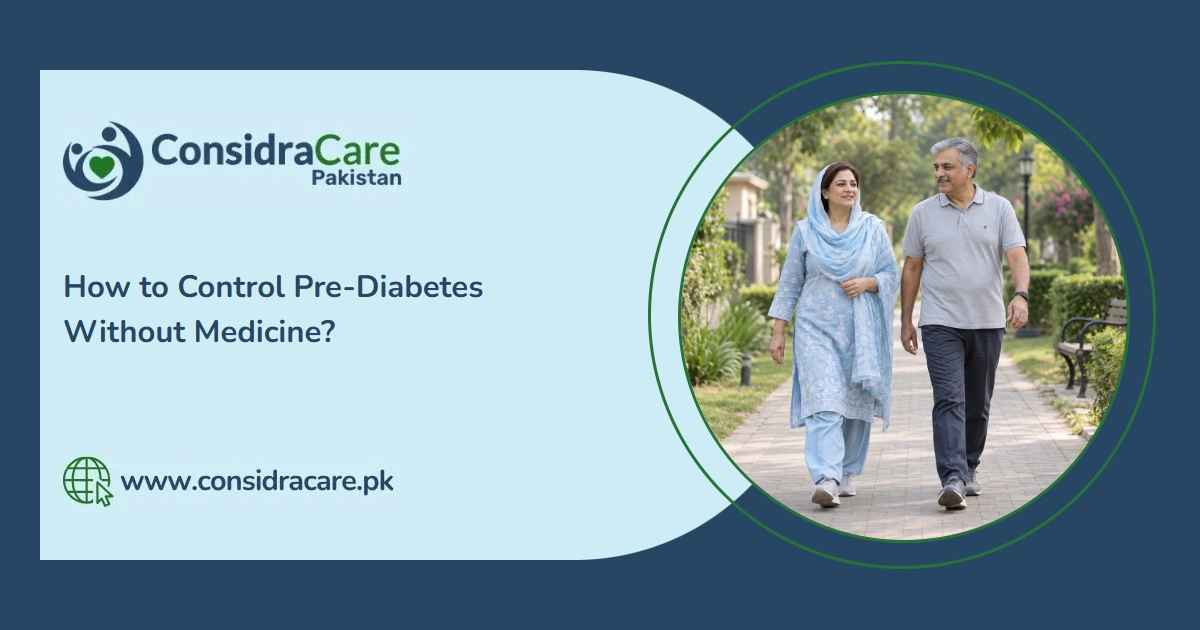
To control prediabetes without medicine, focus on balanced meals, regular activity, weight management when appropriate, and follow-up blood tests. These changes can lower the risk of type 2 diabetes, and some people return to a normal blood sugar range. However, lifestyle changes are not enough for everyone. Do not stop prescribed medicine without speaking to your doctor.
You do not need to abandon Pakistani food or make every change at once. Start with habits you can repeat: less sugar in chai, a better-balanced plate, and movement that fits your health and daily routine.
Can Prediabetes Improve Without Medication?
Yes, it can. Prediabetes means blood glucose is above the normal range but below the threshold used to diagnose diabetes. It often involves insulin resistance: the body’s cells do not respond to insulin as effectively as they should.
The CDC’s diabetes prevention guidance supports healthy eating, physical activity and losing a modest amount of excess weight to help prevent or delay type 2 diabetes.
Returning to normal results does not mean you can forget about follow-up or that diabetes can never develop. The aim is lasting improvement. Genetics, age and other health factors also matter; needing medication is not a personal failure.
Understand Your Blood Sugar Results
Prediabetes usually has no symptoms. A laboratory test is more useful than judging how energetic you feel or whether you crave sweets.
| Test | Commonly used prediabetes range | What it tells you |
|---|---|---|
| HbA1c | 5.7% to 6.4% | Average blood glucose over roughly three months |
| Fasting plasma glucose | 100 to 125 mg/dL | Blood glucose after an overnight fast of at least eight hours |
These are the ranges described by NIDDK’s prediabetes guidance. Diagnostic criteria can differ between guidelines. Let your clinician interpret your laboratory report, including whether another test is needed. A home glucose meter does not replace diagnostic laboratory testing.
Tell your doctor about anaemia, a haemoglobin condition such as thalassaemia, or a recent blood transfusion, because these can affect the reliability of HbA1c. Our guide to blood sugar ranges and what they mean provides further context.
Build Balanced Meals Using Familiar Pakistani Foods
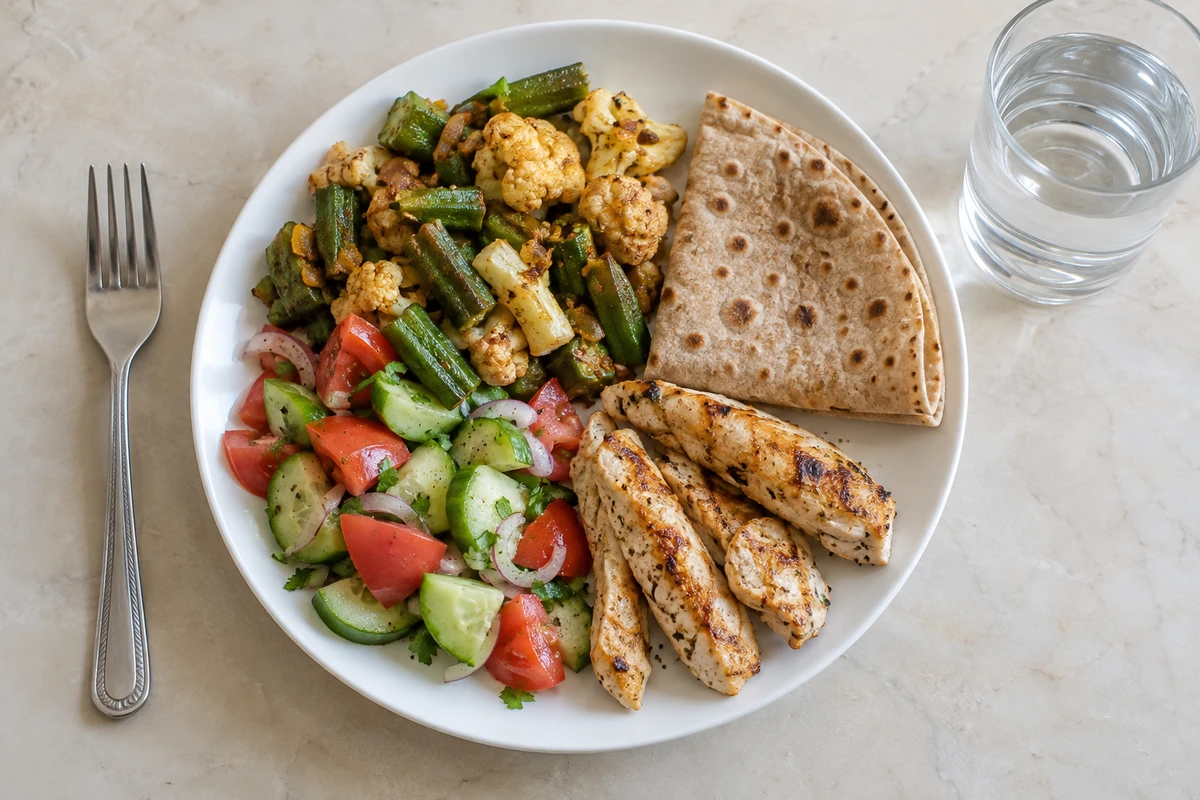
A useful starting point is the plate method: fill about half the plate with non-starchy vegetables, one quarter with lean protein, and one quarter with carbohydrate foods. It is a visual guide, not a personalised prescription.
For example, a meal could combine bhindi or mixed vegetables and salad with grilled chicken or fish and a modest portion of whole-wheat roti. A dietitian can adapt the balance to your appetite, activity, budget and other medical conditions.
Balance Roti, Rice, Dal and Vegetables
Roti and rice can remain part of your diet. Pay attention to the amount and the rest of the meal. A large serving of rice plus several rotis makes it easy to eat more carbohydrate than intended. Try choosing one main starch, serving it first, and making room for vegetables and protein.
Choose whole-wheat atta and higher-fibre grains when practical. Dal, chana and beans provide fibre and plant protein, but they also contain carbohydrate. They are nutritious foods, not unlimited additions to a full portion of rice and roti.
Measure cooking oil instead of pouring freely, and use grilling, baking or less-oily cooking more often. Seasonal vegetables, pulses, eggs and plain unsweetened yoghurt can help keep meals affordable. You do not need expensive foods labelled “diabetic.” Explore our guide to diabetes-friendly eating patterns for further meal-planning ideas.
Rethink Sweetened Chai, Juice and Everyday Snacks
| Everyday habit | Practical change to try |
|---|---|
| Sugar in every cup of chai | Measure the sugar you use and gradually reduce it towards unsweetened tea. |
| Soft drinks, packaged juice or sweet lassi | Choose water or an unsweetened drink more often. |
| Fruit juice instead of fruit | Choose a portion of whole fruit, which retains fibre. |
| Biscuits or rusks eaten directly from the packet | Plan a portion; consider plain yoghurt, a small handful of unsalted nuts or roasted chana instead. |
| A large rice or biryani serving | Serve a smaller portion and add salad or non-starchy vegetables. |
Honey, gur and brown sugar still contribute sugar. Replacing white sugar with them is not a treatment for prediabetes. Likewise, drinking more water is useful when it replaces sugary drinks, but water alone does not reverse the condition.
Keep fruit in the plan rather than banning it. Portion size matters, especially for dried fruit. Plain yoghurt also differs from a heavily sweetened yoghurt drink.
Make Movement Part of Your Daily Routine
Regular activity helps your body use glucose. A common goal is at least 150 minutes of moderate activity each week, such as brisk walking, spread across several days. At moderate intensity, you can usually talk but not sing comfortably.
If you are currently inactive, begin with a short, comfortable walk and build up gradually. A ten-minute walk after a meal can be a convenient habit; you do not have to reach the full weekly target immediately. Indoor walking may be more practical during extreme heat or poor air quality.
Include muscle-strengthening activity on two days a week if appropriate for you. Examples include light resistance exercises or standing up from a sturdy chair, with guidance if needed. Break up long stretches of sitting with brief movement.
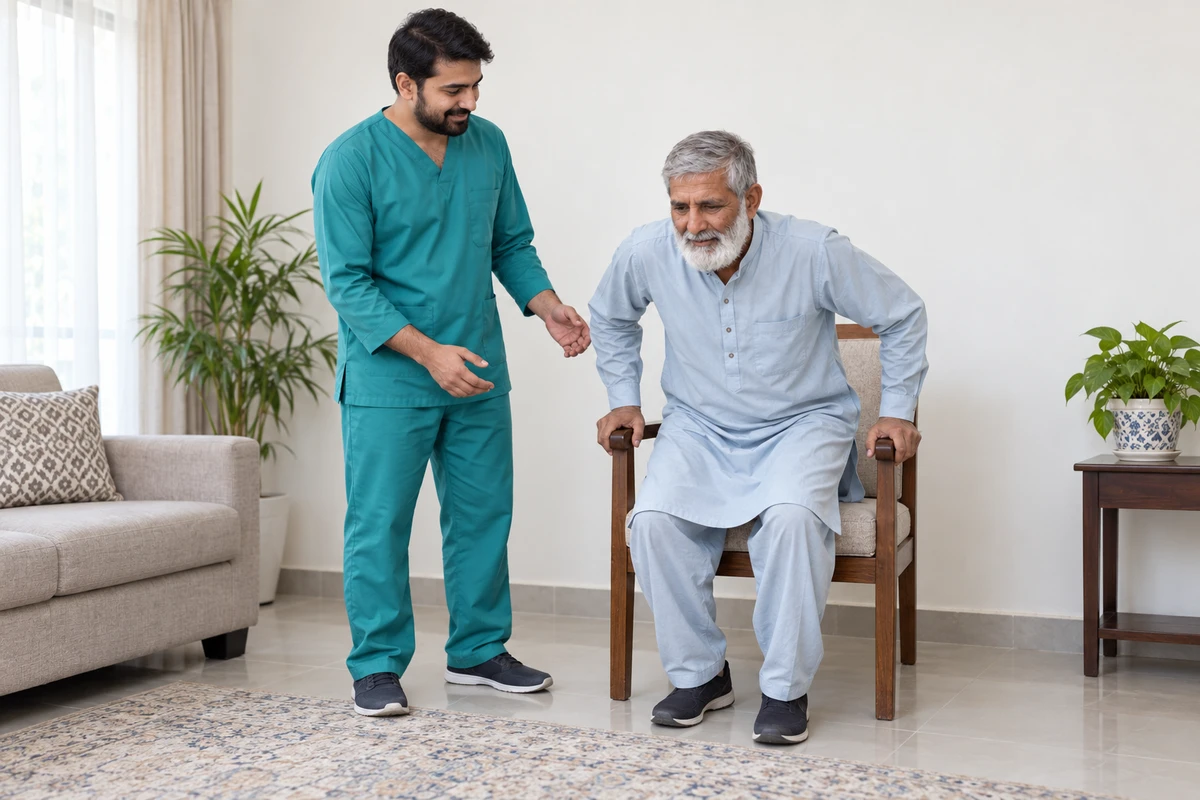
If you have chest symptoms, significant joint pain, balance problems or a condition that limits exercise, ask a clinician what is safe before increasing activity. Older adults may benefit from movement adapted to their mobility. The goal is a repeatable routine, not exhaustion.
Manage Weight Safely, When Weight Loss Is Appropriate
For adults with overweight or obesity, losing around 5% to 7% of starting body weight is a commonly used diabetes-prevention goal. For someone weighing 80 kg, that is approximately 4 to 5.6 kg. This is an example for discussion with a clinician, not a target everyone must follow.
Use steady changes to food portions and activity rather than crash diets. If you are already at a healthy weight, underweight, pregnant, frail or losing weight without trying, seek individual advice. Older adults need to protect muscle and adequate nutrition as well as manage glucose.
Support Your Progress With Sleep and Smoke-Free Habits
A consistent sleep routine can support healthier habits. Keep bedtime and waking time reasonably regular. Ask for assessment if you snore loudly, gasp during sleep or feel persistently sleepy during the day, as a sleep disorder may need treatment.
If you smoke, ask about help to quit. Make space for manageable stress relief, such as a walk, quiet breathing, prayer or talking with someone you trust. These habits support your overall plan; they do not replace food, activity or medical follow-up.
Track Progress and Arrange Follow-Up Testing
Use a simple notebook to record walking minutes, strength sessions and the food habits you are changing. If weight loss is part of your agreed plan, track it without letting daily fluctuations determine whether you feel successful.
HbA1c reflects roughly three months, so a few days of changes cannot show their full effect in that test. Ask your clinician when to reassess. People with prediabetes should generally be tested for diabetes at least annually; earlier review may be appropriate depending on their results and risk.
There is no guaranteed deadline for returning to normal levels. If results remain elevated, review the plan rather than responding with severe food restriction. Your clinician may also assess blood pressure, cholesterol and other risks.
Know When Lifestyle Changes Need Medical Support
Arrange prompt assessment for increased thirst, frequent urination, blurred vision or unexplained weight loss. These symptoms need checking rather than assuming they are simply part of prediabetes. Seek urgent care if you are very unwell, confused, vomiting repeatedly or having difficulty breathing.
A doctor may recommend metformin or another appropriate treatment when your risk is high or results are worsening. Discuss the reasons and benefits rather than delaying treatment to prove you can manage without medicine. Continue prescribed treatment until your clinician advises a change.
Cinnamon, methi water, herbal mixtures and “sugar cure” supplements are not substitutes for an evidence-based plan. Evidence for supplements is limited or inconsistent, and some can interact with medicines. Tell your doctor what you take.
Family support can make routines easier: agree on shared meals, choose a convenient walking time and keep follow-up appointments organised. For an older relative who also needs daily assistance, ConsidraCare’s diabetes care at home includes nutritional support, exercise support and glucose monitoring. Ask the team whether its services suit your relative’s assessed needs; home care does not replace medical diagnosis or treatment.
Your First-Week Action Checklist
- Keep your report handy. Note your results and ask when follow-up is due.
- Choose one drink change. Reduce sugar in chai or replace a regular sugary drink.
- Balance one daily meal. Add vegetables and review the rice or roti portion.
- Schedule comfortable movement. Start with a duration you can manage safely.
- Make the plan easier to repeat. Arrange groceries, set a reminder and ask for support if helpful.
At the end of the week, keep what worked and adjust what did not. This checklist starts a routine; it is not a promise to reverse prediabetes in seven days.
Frequently Asked Questions
Can I still eat roti and rice with prediabetes?
Yes. Review portions, choose higher-fibre options where practical, and balance them with vegetables and protein. The amount suitable for you depends on your overall needs.
How long does it take to see improvement?
It varies. HbA1c reflects roughly three months, so your clinician may use testing over time to assess progress. No fixed number of weeks guarantees normal results.
Can someone at a healthy weight have prediabetes?
Yes. Weight is only one factor. Family history and other risks still matter, so a healthy weight does not rule it out.
Do I need to check blood sugar at home every day?
Do not assume daily testing is necessary. Ask your clinician whether home checks would help in your situation and what you should do with the results. They do not replace laboratory follow-up.
Can prediabetes return after blood sugar improves?
Yes, blood sugar can rise again. Continue sustainable habits and the follow-up plan even after results return to the normal range.

