



What if one simple drink could improve your eyesight, boost your skin glow, and strengthen your immune system all at once?
Carrot juice is often called a “natural health tonic,” and for good reason. Packed with powerful antioxidants, vitamins, and plant compounds, this bright red drink offers far more than just great taste.
In this guide, you’ll discover science-backed benefits of carrot juice, how to use it correctly, and whether drinking it daily is actually a good idea.
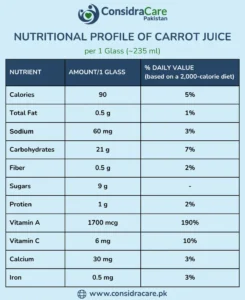
Nutritional Profile of Carrot Juice:
A single glass (about 240 ml) of carrot juice delivers a concentrated dose of nutrients:
- Vitamin A (from beta-carotene): Supports vision & immunity
- Vitamin C: Boosts skin & immune health
- Vitamin K: Helps with blood clotting and bone health
- Potassium: Supports heart health & blood pressure
- Antioxidants: Fight harmful free radicals
What makes carrot juice special is beta-carotene, which your body converts into vitamin A, essential for eyes, skin, and immunity.
Top 12 Benefits of Carrot Juice

1. Improves Vision & Brain Function:
Carrot juice is famous for supporting eye health—and it lives up to the hype.
- Rich in vitamin A, which helps prevent night blindness
- Contains lutein & zeaxanthin, protecting eyes from damage
- May reduce the risk of age-related vision problems
Bonus: Antioxidants in carrot juice may also support brain function and memory by reducing oxidative stress.
2. Enhances Skin & Natural Glow:
Want clearer, glowing skin? Carrot juice can help from the inside out.
- Promotes collagen production (thanks to vitamin C)
- Protects skin from UV damage
- Helps reduce acne and dryness
- Slows visible signs of aging
Regular consumption may give your skin a natural, healthy glow.
3. Boosts Immunity & Fights Disease:
Carrot juice strengthens your body’s defense system:
- Vitamin A supports immune cell function
- Vitamin C protects against infections
- Antioxidants reduce inflammation
This makes it a great drink during cold/flu season or when immunity is low.
4. Supports Heart Health:
Your heart benefits too:
- Potassium helps regulate blood pressure
- Antioxidants reduce oxidative stress
- May lower risk of heart disease over time
A simple daily glass can support long-term cardiovascular health.
5. Helps Manage Blood Sugar:
Despite being slightly sweet, carrot juice has a low glycemic index (GI).
- Doesn’t spike blood sugar rapidly
- Better alternative to sugary drinks
- May support diabetes management (in moderation)
Important: Portion control is key.
6. Aids Weight Loss:
Carrot juice can support weight management:
- Low in calories
- Naturally filling
- Reduces cravings for sugary drinks
Best used as a replacement, not an addition, to your diet.
7. Supports Digestion & Gut Health:
Although lower in fiber than whole carrots, carrot juice still helps:
- Supports gut-friendly bacteria (especially fermented juice)
- Aids digestion
- Helps prevent bloating
Pair it with whole foods for maximum digestive benefits.
8. Provides Antioxidant Protection:
Carrot juice is loaded with antioxidants like:
- Beta-carotene
- Lutein
- Polyphenols
These help:
- Fight free radicals
- Reduce inflammation
- Lower risk of chronic diseases
9. May Reduce Cancer Risk (Emerging Research):
Some lab studies suggest:
- Compounds in carrots may slow cancer cell growth
- Beta-carotene may protect cells from damage
Important: This is supportive, not a treatment.
10. Supports Brain Health:
- Antioxidants may reduce brain inflammation
- May help protect against cognitive decline
11. Strengthens Bones:
- Contains vitamin K and calcium
- Supports bone density and strength
12. Supports Liver Function (With a Reality Check):
Carrot juice is often called a “detox drink,” but let’s be clear:
Your liver already detoxifies your body.
However:
- Antioxidants in carrot juice may support liver health
- May reduce inflammation
Read More: Top Zinc-Rich Foods
What Happens If You Drink Carrot Juice Daily?
Here’s what you might notice:
After a few days:
- Improved digestion
- Slight energy boost
After 1–2 weeks:
- Healthier-looking skin
- Better hydration
After a month:
- Stronger immunity
- Improved overall wellness
Results vary depending on your overall diet and lifestyle.
How Much Carrot Juice Should You Drink Per Day?
Recommended Amount: ½ to 1 cup (120–250 ml) per day
Moderation is key. Too much can cause:
- Carotenemia (yellow/orange skin tint)
- Excess sugar intake
Best Time to Drink Carrot Juice:
- Morning (best choice): Better absorption, energizing
- Empty Stomach: Maximizes nutrient uptake
Avoid drinking large amounts late at night.
How to Make Carrot Juice at Home?
Ingredients:
- 3–4 fresh carrots
- Optional: lemon, ginger
Steps:
- Wash and peel carrots
- Chop into pieces
- Blend or juice
- Strain (optional)
- Serve fresh
Pro Tip: Add ginger + lemon for extra benefits and taste.
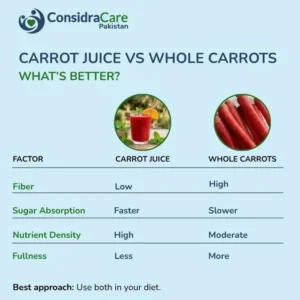
Carrot Juice vs Whole Carrots: What’s Better?
While both are healthy, carrot juice and whole carrots offer different benefits; here’s how they stack up:
Read More: Proven Benefits of Saunf (Fennel Seeds)
Side Effects & Precautions for Carrot Juice:
Carrot juice is safe, but keep these in mind:
- Excess intake → yellowish skin (harmless but noticeable)
- Contains natural sugars → monitor if diabetic
- Avoid unpasteurized juice if:
- Pregnant
- Immunocompromised
The Takeaway:
Carrot juice is more than just a refreshing drink; it’s a nutrient powerhouse that supports your eyes, skin, heart, and immune system. However, the real secret is balance. You can drink it regularly, but not excessively. Pair it with a healthy diet for maximum benefits.
Frequently Asked Questions – FAQs
1. What organ is carrot juice good for?
Carrot juice is especially beneficial for the eyes, liver, heart, and skin. Its high vitamin A content supports vision, while antioxidants help protect the liver and heart from damage. It also promotes healthy skin by supporting collagen production.
2. Is carrot juice safe for kidneys?
Yes, carrot juice is generally safe for healthy kidneys when consumed in moderation. It contains potassium, which supports normal body functions, but people with kidney disease should limit high-potassium foods and consult a doctor before drinking it regularly.
3. Who should not drink carrot juice?
Carrot juice should be limited or avoided by:
- People with diabetes (if consumed in large amounts)
- Individuals with kidney problems (due to potassium content)
- Those prone to carotenemia (excess beta-carotene causing yellow skin)
- People with weakened immunity should avoid unpasteurized juice
Moderate intake is safe for most people.
4. Is carrot good for the liver and kidneys?
Yes, carrots can support both the liver and kidneys. Their antioxidants help reduce inflammation and support liver function, while their nutrients support overall kidney health. However, they do not “detox” these organs; your body already does that naturally.
5. Is carrot juice high in sugar?
Carrot juice contains natural sugars, but it is not as high in sugar as many fruit juices. However, because it has less fiber than whole carrots, the sugar is absorbed more quickly. Drinking it in moderation is recommended.
6. Can diabetics drink carrot juice?
Yes, diabetics can drink carrot juice in small amounts. It has a relatively low glycemic index, but portion control is important to avoid blood sugar spikes. Pairing it with meals can help manage its impact.

