


Kishmish, commonly known as raisins, are dried grapes packed with natural sugars, fiber, vitamins, minerals, and antioxidants. Despite their small size, they provide a concentrated source of nutrition and have been enjoyed for centuries as a healthy snack and natural remedy.
In Pakistan and many South Asian countries, kishmish is commonly consumed on its own, added to desserts, mixed with nuts, or soaked overnight for additional health benefits. Whether you’re looking to improve digestion, boost energy levels, support heart health, or increase your intake of essential nutrients, kishmish can be a valuable addition to your diet.
This guide covers everything you need to know about kishmish benefits, nutrition facts, soaked kishmish benefits, daily intake recommendations, and potential side effects.
What Is Kishmish?
Kishmish are dried grapes produced by removing moisture from fresh grapes through natural sun-drying or controlled dehydration methods.
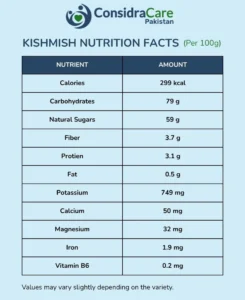
As water content decreases, nutrients become more concentrated, making raisins rich in:
- Natural sugars
- Dietary fiber
- Potassium
- Iron
- Calcium
- Magnesium
- Antioxidants
Types of Kishmish & Nutrition:
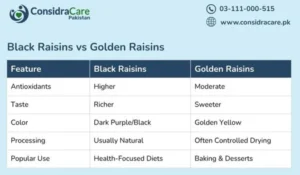
Black Kishmish: Known for its deep color and higher antioxidant content.
Golden Kishmish: Made from light-colored grapes and often has a sweeter taste.
Green Kishmish: Popular in South Asia and commonly used in desserts and snacks.
Brown Raisins: The most commonly available variety worldwide.
15 Proven Health Benefits of Kishmish (Raisins)
Here are some of the most notable science-backed health benefits of adding kishmish to your daily diet.
1. Provides Quick Natural Energy:
Kishmish are rich in natural sugars such as glucose and fructose, making them an excellent source of quick energy.
Athletes, students, and busy professionals often use raisins as a healthy alternative to processed snacks and sugary drinks.
2. Supports Healthy Digestion:
The dietary fiber present in kishmish helps promote healthy digestion and supports regular bowel movements.
Fiber adds bulk to stool and encourages smooth movement through the digestive tract.
3. Helps Relieve Constipation:
One of the most popular benefits of kishmish is their ability to help manage occasional constipation.
When soaked, raisins absorb water and swell, making them even more effective at supporting bowel regularity.
4. Rich in Antioxidants:
Kishmish contain beneficial antioxidants including:
- Polyphenols
- Flavonoids
- Phenolic acids
These compounds help combat oxidative stress and protect cells from damage caused by free radicals.
5. Supports Heart Health:
Potassium and antioxidants found in raisins may contribute to cardiovascular health.
Regular consumption as part of a balanced diet may help support healthy circulation and overall heart function.
6. Helps Maintain Healthy Blood Pressure:
Potassium plays an important role in balancing sodium levels within the body.
A potassium-rich diet may help support healthy blood pressure levels when combined with a healthy lifestyle.
7. May Improve Iron Levels:
Kishmish contain iron, copper, and certain B vitamins that support healthy red blood cell production.
Individuals looking to increase dietary iron intake may benefit from incorporating raisins into their meals.
8. Supports Bone Health:
Raisins provide several nutrients that contribute to bone health, including:
- Calcium
- Magnesium
- Potassium
- Boron
These nutrients help support bone density and strength.
9. Strengthens Immunity:
The vitamins, minerals, and antioxidants in kishmish support the body’s natural immune defenses.
Regular consumption can contribute to overall wellness and resilience.
10. Supports Healthy Skin:
Antioxidants help protect skin cells from oxidative damage caused by pollution, sunlight, and aging.
Many people include raisins in beauty-focused diets because of their nutrient profile.
11. May Promote Healthy Hair:
Iron deficiency is often associated with hair thinning and hair fall.
The iron and antioxidant content of raisins may help support healthier hair when consumed as part of a nutrient-rich diet.
12. Supports Weight Management:
Although raisins are calorie-dense, they can help satisfy sweet cravings naturally.
Their fiber content promotes satiety, potentially reducing overeating and unhealthy snacking.
13. Helps Control Cravings:
The natural sweetness of kishmish makes them an excellent substitute for candies, cookies, and sugary desserts.
Replacing processed sweets with raisins can support healthier eating habits.
14. Supports Healthy Aging:
Oxidative stress contributes to aging and age-related health concerns.
The antioxidant compounds found in raisins help protect cells and support healthy aging.
15. Convenient Nutrient-Dense Snack:
Kishmish requires no preparation, refrigeration, or cooking.
They are easy to carry and make a nutritious addition to lunchboxes, travel snacks, and office meals.
Benefits of Soaked Kishmish

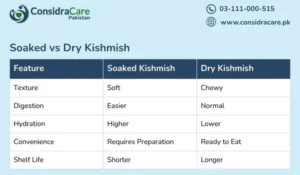
Soaking raisins overnight is a popular practice in traditional wellness systems. Many people believe soaking makes nutrients easier to absorb and improves digestion. Soaked kishmish is often consumed in the morning because it may be easier to digest than dry raisins. Soaking softens the fiber and increases water content, which can support digestion and help relieve occasional constipation. It also provides natural energy, antioxidants, potassium, and iron, making it a simple and nutritious addition to a healthy diet.
Kishmish Water Benefits:
Kishmish water is made by soaking raisins overnight and drinking the water in the morning.
Potential Benefits;
- Supports hydration
- Provides natural antioxidants
- May aid digestion
- Can be a refreshing morning drink
- Offers a mild source of nutrients
Kishmish Benefits for Men:
Men can benefit from the nutrient profile of raisins in several ways.
1. Supports Energy Levels: Natural carbohydrates provide quick energy.
2. Exercise Recovery: Carbohydrates help replenish energy stores after physical activity.
3. Heart Health Support: Potassium and antioxidants support cardiovascular wellness.
4. Supports Reproductive Health: Raisins contain minerals such as zinc and boron and antioxidants that contribute to overall health.
5. Healthy Aging: Antioxidants help reduce oxidative stress.
Read More: Top Zinc-Rich Foods
Kishmish Benefits for Women:
1. Supports Iron Intake: Important for women of reproductive age.
2. Bone Health: Calcium, magnesium, and boron support healthy bones.
3. Skin Health: Antioxidants help protect skin cells.
4. Natural Energy Source: Can help combat fatigue during busy days.
Kishmish During Pregnancy:
Kishmish can be a nutritious addition to a pregnancy diet when consumed in moderation.
Potential Benefits;
- Provides iron
- Supplies natural energy
- Supports digestion
- Offers antioxidants
Safety Tips:
- Avoid excessive consumption.
- Wash thoroughly before eating.
- Consult your healthcare provider if you have gestational diabetes.
Benefits of Kishmish for Children:
Children can benefit from raisins as a healthy snack.
1. Supports Growth: Provides energy and nutrients.
2. Helps Prevent Constipation: Fiber supports digestive health.
3. Natural Sweetness: Reduces reliance on processed sweets.
4. Iron Support: Contributes to healthy development.
Kishmish Benefits for Seniors:
1. Digestive Support: Helps maintain bowel regularity.
2. Bone Health: Contains nutrients that support bone strength.
3. Easy Energy Source: Provides quick calories for active seniors.
4. Healthy Aging Support: Rich in protective antioxidants.
Black Raisins vs Golden Raisins:
Soaked vs Dry Kishmish:
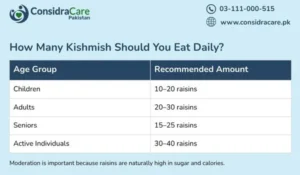
How Many Kishmish Should You Eat Daily?
Best Time to Eat Kishmish:
Morning: Many people prefer soaked raisins in the morning on an empty stomach.
Before Exercise: Provides quick energy for workouts.
As a Midday Snack: Helps control hunger and sweet cravings.
Possible Side Effects of Excess Kishmish:
Although nutritious, excessive consumption may cause:
- Increased calorie intake
- Excess sugar consumption
- Bloating
- Gas
- Digestive discomfort
- Blood sugar spikes in sensitive individuals
Who Should Be Careful?
People With Diabetes: Monitor portions carefully and consult a healthcare provider.
Individuals Following Weight-Loss Diets: Stick to recommended serving sizes.
Those With Sensitive Digestion: Introduce gradually to avoid digestive discomfort.
Conclusion:
Kishmish are one of the most nutrient-dense dried fruits available, offering a combination of fiber, antioxidants, vitamins, and minerals that support overall health. From improving digestion and supporting heart health to promoting healthy aging and providing natural energy, raisins deliver numerous benefits in a small package.
Whether you prefer black raisins, golden raisins, dry raisins, or soaked kishmish, adding them to a balanced diet can be a simple and delicious way to increase your intake of essential nutrients. As with any food, moderation is key to enjoying the benefits while avoiding excess sugar and calories.
Frequently Asked Questions – FAQs
1. What Happens If We Eat Kishmish Daily?
Eating kishmish daily in moderation may support digestion, provide natural energy, and contribute important nutrients such as fiber, potassium, iron, and antioxidants. Regular consumption can help satisfy sweet cravings with a healthier alternative to processed snacks. However, because raisins are calorie-dense and naturally high in sugar, it’s best to stick to recommended serving sizes.
2. What Are the Disadvantages of Kishmish?
While kishmish is nutritious, eating too much can lead to excessive calorie and sugar intake. Overconsumption may cause digestive discomfort, bloating, or weight gain if it contributes to a calorie surplus. People with diabetes should also monitor portion sizes carefully, as raisins can affect blood sugar levels.
3. Is Kishmish Hot or Cold?
According to traditional wellness systems such as Ayurveda and Unani medicine, kishmish is generally considered to have a mildly warming (hot) nature. However, when soaked overnight, it is often believed to have a more balanced effect on the body. Scientifically, there is no evidence that raisins are inherently “hot” or “cold,” but they can be enjoyed year-round as part of a healthy diet.
4. Which Is Healthier, Golden or Dark Raisins?
Both golden and dark raisins offer similar nutritional benefits, including fiber, antioxidants, vitamins, and minerals. However, dark raisins are generally considered slightly healthier because they typically contain higher levels of certain antioxidants, particularly anthocyanins and polyphenols. Golden raisins may be sweeter in taste, while dark raisins often provide greater antioxidant protection.
5. Do Soaked Raisins Increase Hemoglobin?
Soaked raisins may help support healthy hemoglobin levels because they contain iron and copper, two nutrients involved in red blood cell production. While raisins alone are unlikely to significantly increase hemoglobin in people with iron deficiency anemia, they can contribute to overall iron intake when combined with a balanced diet rich in iron-containing foods.

