


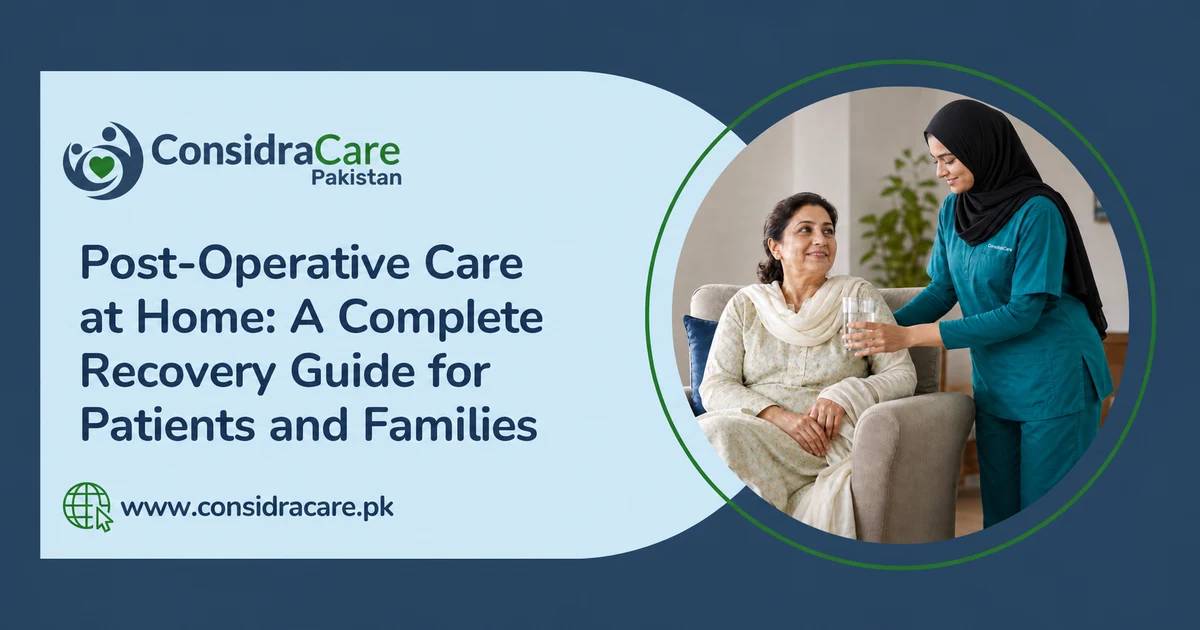
Post-operative care is the support a person receives after surgery, from the recovery room through the weeks of healing at home. It may include pain control, wound care, prescribed medicines, safe movement, nutrition, personal care and follow-up with the surgical team.
Every operation and every patient is different. The surgeon’s written discharge instructions should always take priority over general advice. Before leaving hospital, make sure the patient and the person helping them understand the plan and know whom to contact if something changes.
What Is Post-Operative Care?
Post-operative care begins as soon as an operation ends. Its purpose is to support healing, manage expected symptoms, help the patient regain function and identify possible complications early.
The amount of support required depends on the procedure, the type of anaesthesia, the patient’s general health and mobility, and whether any complications occurred. Someone returning home after a minor day procedure may need short-term observation and help with meals. A person recovering from major abdominal, heart or orthopaedic surgery may need a more structured plan involving nursing, rehabilitation and assistance with daily activities.
What Happens Immediately After Surgery?
After an operation, the patient is usually moved to a recovery area. The clinical team monitors breathing, blood pressure, pulse, alertness, pain, nausea, the dressing and other factors relevant to the procedure. Some sleepiness, weakness or temporary confusion may occur as the anaesthetic wears off.
Once the patient is medically stable, the team starts preparing for discharge or transfer to a ward. According to the NHS guidance on care after surgery, discharge planning may include wound instructions, medicines, mobility advice, equipment and arrangements for help at home.
Questions to Ask Before Leaving the Hospital:
Discharge can feel rushed, so use the written instructions and ask for clarification before going home. The patient or family caregiver should confirm:
- What level of pain, bruising, swelling, tiredness or nausea is expected?
- How and when should prescribed medicines be taken?
- When should any regular medicines be restarted, if the team changed them?
- How should the incision, dressing, drain or other device be cared for?
- When may the patient bathe, walk, use stairs, lift objects, drive or return to work?
- Are there any restrictions on food or fluids?
- Is any equipment needed at home?
- When and where is the follow-up appointment?
- Who should be contacted during the day and after hours?
- Which symptoms require urgent or emergency care?
Keep the discharge summary, prescription, contact numbers and appointment details together. Ask the clinical team to demonstrate any task that the family is expected to perform. Do not attempt a clinical procedure that you have not been trained and authorized to do.
Preparing the Home for a Safe Recovery:

If possible, complete the basic home setup before the operation. A safe recovery area should be easy to reach, comfortable and close to a bathroom. Keep water, the phone, tissues, prescribed supplies and written instructions within reach.
For a room-by-room plan, see this guide on how to prepare the home after surgery.
1. Reduce Fall and Mobility Risks:
Clear loose rugs, electrical cords, clutter and low furniture from walking routes. Ensure the route to the bathroom is well lit. Use only the walking aid recommended for the patient, and ask the hospital team how to transfer, stand or use stairs safely.
2. Keep Essential Items Within Reach:
Frequently used items should be placed between waist and shoulder height so the patient does not need to bend, stretch or climb. Prepare clean clothing, toiletries, approved dressings and any equipment listed in the discharge plan.
3. Arrange Meals, Transport and Household Help:
Plan who will prepare food, collect prescriptions, manage household duties and take the patient to follow-up appointments. In a multigenerational home, give each family member a clear responsibility so important tasks are not duplicated or missed.
Daily Post-Operative Care Checklist:

1. Follow the Medication Plan:
Use the latest prescription and discharge list. Record when each medicine is given, especially when more than one person is helping. Do not change a dose, restart a paused medicine or add an over-the-counter remedy without checking with the treating clinician or pharmacist.
Contact the clinical team if the instructions are unclear, a dose is missed, the patient cannot keep medicines down, or a possible side effect appears. Store medicines safely and out of children’s reach.
2. Care for the Wound as Instructed:
Follow the procedure-specific instructions for keeping the incision and dressing clean and dry. Wash hands before and after touching the dressing area. Do not apply antiseptics, creams, powders or home remedies unless the surgical team has advised them.
Observe the area without repeatedly disturbing it. Report changes such as worsening redness, increasing warmth or swelling, new drainage, a bad smell, increasing pain or separation of the wound edges. These changes require professional assessment rather than home diagnosis.
3. Balance Rest With Safe Movement:
Rest is important, but prolonged immobility can create problems. Help the patient sit up, stand or walk only as permitted by the surgical team. Increase activity gradually and stop if the patient becomes dizzy, unusually breathless or significantly more uncomfortable.
Some patients are given breathing exercises, compression stockings or a movement plan. Use them exactly as instructed. If rehabilitation is part of the discharge plan, appropriately assessed physiotherapy at home may help the patient work towards safe mobility and function.
4. Support Hydration, Nutrition and Bowel Health:
Unless the clinical team has set fluid or dietary restrictions, offer regular drinks and balanced meals with suitable sources of protein, fruits, vegetables and fibre. Small meals may be easier when appetite is low or nausea is present.
Anaesthesia, reduced movement and some pain medicines may affect bowel habits. Follow the discharge plan and contact the treating team if constipation, vomiting, abdominal swelling or difficulty passing urine develops or persists. People with diabetes, kidney disease, heart disease or procedure-specific diets need individualized advice.
5. Assist With Hygiene and Personal Care:
Help with bathing, dressing and toileting only as needed, while protecting privacy and encouraging safe independence. Confirm when the patient may shower and whether the wound or dressing must remain dry. Never assume that a common bathing timeline applies to every operation.
6. Track Symptoms and Recovery Progress:
Keep a simple daily record of medicines, pain trend, appetite, fluid intake, mobility, wound observations and questions for the clinician. The goal is not constant surveillance; it is to notice meaningful changes and communicate them accurately.
What Is Normal During Recovery and What Varies?
Tiredness, soreness, temporary appetite changes, mild bruising or swelling can occur after surgery, but what is expected depends on the operation. The surgical team should explain the likely pattern for that patient.
Recovery rarely improves in a perfectly straight line. Energy and comfort may vary from one day to the next. However, symptoms that are severe, new or consistently worsening should not be dismissed as a normal part of healing.
There is no universal recovery time. Age, baseline strength, existing health conditions, nutrition, the type of procedure and complications can all affect progress. The surgeon should decide when the patient can resume driving, work, exercise, lifting and other activities.
Warning Signs After Surgery:
MedlinePlus notes that possible complications after surgery can include infection, bleeding and reactions related to the operation or anaesthesia. The patient’s own discharge instructions should define the most relevant warning signs and contact route.
Contact the Surgical Team Promptly:
Seek clinical advice promptly if the patient develops a symptom listed in the discharge plan or experiences:
- pain that is severe, increasing or not controlled as expected;
- worsening redness, warmth, swelling, drainage, bleeding or opening at the incision;
- fever, chills or feeling increasingly unwell;
- persistent vomiting or inability to drink;
- new difficulty passing urine or a significant bowel concern;
- new calf pain or swelling;
- new or worsening confusion, especially in an older adult; or
- recovery that is moving noticeably in the wrong direction.
The right response depends on the operation and the severity of the symptom. When uncertain, contact the surgical team rather than trying to diagnose the problem at home.
Seek Emergency Help:
Seek emergency medical help for severe difficulty breathing, chest pain, uncontrolled bleeding, collapse or fainting, sudden marked confusion, inability to wake the patient normally, or another sudden severe symptom. Use the emergency instructions provided by the hospital and the emergency services available in your area.
Special Considerations for Older Adults:
Older adults may need additional planning because of reduced strength, balance problems, several medicines or existing conditions. Temporary dependence can also be emotionally difficult for someone who is usually independent.
New confusion, unusual sleepiness, agitation or a sudden change in behaviour should be reported promptly. Do not assume it is simply due to age. Make sure glasses and hearing aids are available, maintain a familiar day-and-night routine, and reduce unnecessary noise while following the clinical plan.
Falls are another concern. Provide steady assistance only in the way recommended by the care team, keep walking routes clear and avoid pushing the patient to do more than is safe.
How Family Caregivers Can Help?
A family caregiver can make recovery more organized by coordinating meals, transport, medicines, appointments and daily routines. They can also notice changes, write down questions and help the patient communicate with clinicians.
Good support does not mean doing everything for the patient. Encourage appropriate independence while assisting with tasks that are currently unsafe or too tiring. Respect privacy, explain what you are doing and include the patient in decisions.
Family caregivers should also recognize their limits. Wound procedures, injections, clinical monitoring and rehabilitation exercises require appropriate instruction or professional involvement when prescribed.
Family Caregiver, Professional Caregiver, Nurse or Physiotherapist?
| Person | Appropriate role in recovery |
|---|---|
| Family caregiver | Meals, transport, companionship, reminders, household organization and non-clinical assistance |
| Professional caregiver | Personal care, mobility assistance, routines and observation within the agreed care plan and scope |
| Nurse | Clinically directed monitoring and skilled tasks that fall within professional scope and the treating team’s plan |
| Physiotherapist | Assessment and an individualized rehabilitation or mobility programme |
| Surgeon or treating clinician | Diagnosis, prescriptions, restrictions, treatment decisions and management of suspected complications |
The right arrangement may involve more than one person. Families considering home nursing support should clarify which tasks are required, who is qualified to perform them and how concerns will be communicated to the treating clinician.
When to Consider Professional Post-Operative Care at Home?
Additional help may be worth discussing with the surgical team when the patient lives alone, has limited mobility, needs substantial personal-care assistance, has several health conditions, or has skilled tasks included in the discharge plan. Support may also be useful when family members cannot safely provide the frequency or type of care required.
The decision should be based on an assessment of the patient’s needs—not the assumption that every person recovering from surgery requires nursing. ConsidraCare’s verified post-operative care at home page explains the forms of recovery support the service presents, including personal care, medication routines, mobility, wound care, rehabilitation support, nutrition and coordination.

Before arranging any provider, ask who will assess the patient, what qualifications are required for the assigned tasks, how the plan follows the surgeon’s instructions, how changes are documented and what happens if the patient’s condition worsens.
A Simple Recovery Plan for Patients and Families:
- Understand the discharge plan. Confirm medicines, wound instructions, restrictions, follow-up and warning signs.
- Prepare the home. Clear walking routes and place essential items within easy reach.
- Assign responsibilities. Decide who will handle meals, transport, medicines, personal care and communication.
- Follow the daily routine. Balance prescribed care, safe movement, nutrition, hydration and rest.
- Track meaningful changes. Record symptoms and questions without attempting to diagnose them.
- Escalate concerns early. Use the surgical team’s contact instructions and seek emergency help for severe symptoms.
- Arrange suitable professional help. Match the person’s qualifications to the patient’s assessed needs.
Final Takeaway:
Safe post-operative care depends on a clear discharge plan, an appropriate home setup, organized support and early communication when recovery does not follow the expected course. Families can assist with everyday needs, but clinical decisions and skilled procedures belong with qualified professionals working from the treating team’s instructions.
This article provides general education and does not replace advice from the surgeon or another clinician who knows the patient and procedure.
Frequently Asked Questions – FAQs
1. What is included in post-operative care?
It may include monitoring after anaesthesia, pain control, prescribed medicines, wound care, safe movement, nutrition, hygiene, rehabilitation and follow-up. The exact plan depends on the operation and the patient.
2. How do you care for someone at home after surgery?
Start with the discharge instructions. Prepare a safe space, organize medicines and appointments, assist with approved movement and personal care, provide suitable meals and fluids, track important changes and know when to contact the clinical team.
3. How long does recovery after surgery take?
Recovery may take days, weeks or longer depending on the procedure, health conditions, age, mobility and complications. The surgeon should provide an individualized estimate and decide when activities can resume.
4. What foods are suitable after surgery?
When there are no procedure-specific restrictions, balanced meals, appropriate protein, fruits, vegetables and adequate fluids can support general nutrition. Follow the prescribed diet if the operation or a medical condition requires one.
5. When is a nurse needed after surgery?
A nurse may be appropriate when the discharge plan includes skilled monitoring or clinical tasks, or when the treating team recommends nursing assessment. Personal assistance alone may be provided by family or a suitable caregiver, depending on the patient’s needs.
6. When can a patient walk, bathe or drive?
There is no universal timetable. These activities depend on the operation, wound, anaesthesia, medicines and mobility. Follow the restrictions given by the surgeon and ask for clarification if they are not written clearly.

