


Japani phal is called persimmon in English. Also known locally as amlok, this bright orange fruit is sweet when ripe and provides fibre, beta-carotene, vitamin C, potassium and several plant compounds.
This guide explains the nutrition and ten realistic persimmon benefits, along with how to choose, ripen and eat the fruit safely. The benefits relate to the fruit’s place in a balanced diet; persimmon is not a treatment for any health condition.
Table of Contents
What Is Japani Phal Called in English?
Japani phal is called persimmon in English. The commonly eaten Asian persimmon grows on the Diospyros kaki tree. In parts of Pakistan, people also call the fruit amlok.
The name “Japani phal” does not mean that every fruit sold under this name comes from Japan. Persimmons originated in East Asia and are now cultivated in several suitable climates, including northern parts of Pakistan.
What Does Japani Phal Taste Like?
A ripe persimmon has a naturally sweet, mild flavour that is sometimes compared with honey, dates or apricots. Its texture depends on the variety: some remain crisp enough to slice, while others become soft and almost jelly-like when fully ripe.
An unripe astringent persimmon can leave the mouth feeling dry and puckered. This sensation comes from soluble tannins, which become less noticeable as the fruit ripens.
Types of Persimmon and How to Tell When They Are Ripe
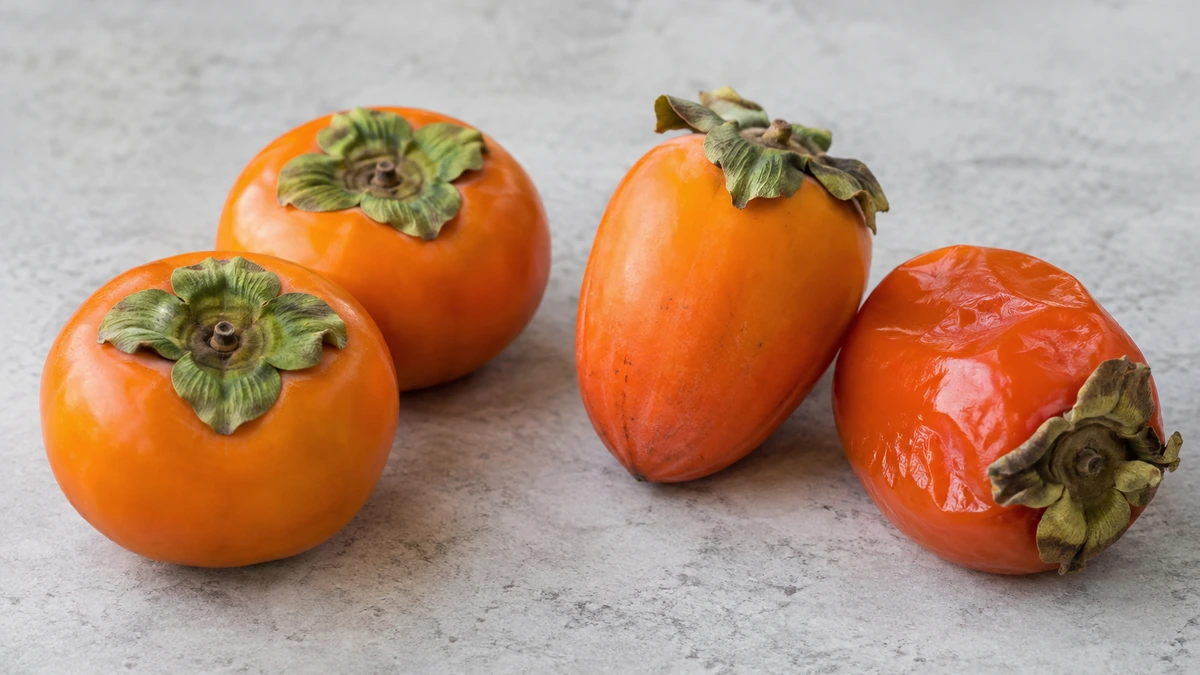
Fuyu-Type Persimmons
Fuyu-type persimmons are usually round and tomato-shaped. They are non-astringent, so they can be eaten while firm and crisp. Look for smooth, richly coloured skin and fruit that feels heavy for its size.
Hachiya-Type Persimmons
Hachiya-type persimmons are more pointed or acorn-shaped. They are astringent and should normally be allowed to become very soft before eating. If the fruit is still firm, leave it at room temperature until the flesh feels almost custard-like.
Shape is a useful clue, but local varieties can differ. If a firm persimmon tastes sharply dry, stop eating it and allow it to ripen further.
Japani Phal Nutrition Facts
The values below are approximate figures for one medium raw Japanese persimmon weighing about 168 grams. Actual amounts vary with size, variety and ripeness. The figures are consistent with the nutrient profile referenced by the Cleveland Clinic.
| Nutrient | Approximate amount |
|---|---|
| Calories | 118 kcal |
| Carbohydrate | 31 g |
| Dietary fibre | 6 g |
| Protein | 1 g |
| Fat | 0.3 g |
| Potassium | 270 mg |
| Vitamin C | About 12 mg |
| Vitamin A | About 136 mcg RAE |
| Vitamin E | About 2 mg |
| Vitamin K | About 4 mcg |
Persimmon also contains carotenoids, flavonoids and tannins. These plant compounds show antioxidant activity in laboratory research, but that does not mean the fruit prevents or treats disease in people.
10 Potential Benefits of Japani Phal
1. Provides Useful Nutrients
One medium persimmon supplies fibre and several vitamins and minerals for a moderate number of calories. No single fruit provides everything the body needs, but persimmon can add useful variety to a diet built around fruits, vegetables, pulses, whole grains and appropriate protein sources.
2. Supports Bowel Regularity
Dietary fibre adds bulk to stool and helps food move through the digestive tract. A medium persimmon provides about 6 grams of fibre, making it a meaningful contributor to daily intake.
Increase fibre gradually and drink enough fluids. A sudden large increase may cause gas, bloating or abdominal discomfort.
3. May Help You Feel Full for Longer
Fibre slows digestion and can help a meal or snack feel more satisfying. This may make a whole persimmon a more filling choice than sweets or sweetened drinks, although it does not cause weight loss by itself.
4. Contributes to a Heart-Healthy Eating Pattern
Whole fruits are useful in a heart-conscious diet because they provide fibre, potassium and plant compounds without the sodium or saturated fat found in many processed snacks. Persimmon should be viewed as one part of that overall eating pattern, not as a way to lower cholesterol or prevent heart disease on its own.
5. Supports Healthy Blood Pressure
Potassium is involved in normal nerve, muscle and fluid-balance functions, and adequate dietary potassium supports healthy blood-pressure regulation. A medium persimmon contains roughly 270 mg, but it is not a substitute for prescribed blood-pressure treatment.
6. Supports Normal Vision
The orange colour of persimmon reflects carotenoids such as beta-carotene. The body can convert beta-carotene into vitamin A, which is needed for normal vision and the maintenance of eye tissues. Eating persimmon supports vitamin A intake; it does not sharpen eyesight or treat eye disease.
7. Supports Normal Immune Function
Vitamins A and C both contribute to normal immune function. Persimmon can supply some of these nutrients alongside other foods, but no fruit can prevent infections or replace vaccination, medical care, sleep and a balanced diet.
8. Supports Collagen Formation and Skin Health
Vitamin C is required for normal collagen formation. Collagen is a structural protein found in skin, blood vessels, cartilage and other connective tissues. Persimmon can contribute vitamin C, but claims that it removes wrinkles or reverses ageing go beyond the evidence.
9. Supplies Antioxidant Plant Compounds
Persimmons contain carotenoids, flavonoids and tannins. A scientific review describes persimmon tannins and their potential biological activity, while also showing that much of the evidence comes from laboratory and animal studies rather than strong human trials. Research on persimmon tannins is therefore promising but not proof that eating the fruit prevents chronic disease.
10. Adds Variety to a Balanced Diet
A ripe persimmon offers natural sweetness, colour and texture without needing added sugar. Rotating different seasonal fruits can make a balanced diet easier to enjoy and provides a broader mix of nutrients and plant compounds than relying on one “superfood.”
How to Eat Japani Phal
- Wash the fruit under clean running water.
- Remove the leafy calyx at the top.
- Slice a firm non-astringent fruit like an apple, or halve a very soft astringent fruit and scoop out the flesh.
- Remove seeds if present.
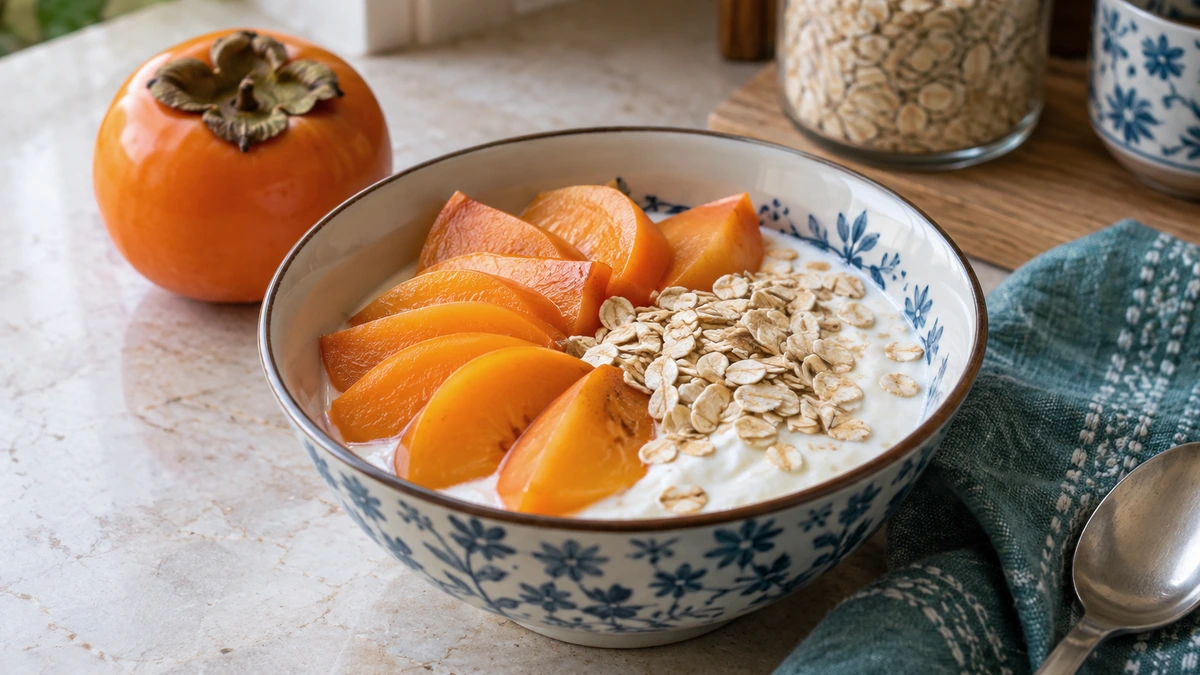
The skin is edible when clean and unbroken, although some people prefer to peel it. Try sliced persimmon with plain yoghurt or oats, add it to a fruit salad, or serve a small portion as a naturally sweet snack.
Pairing fruit with plain yoghurt, nuts or another protein-containing food may make the snack more satisfying. Readers exploring other fibre-rich foods can also compare how different whole foods fit into meals.
Fresh vs Dried Persimmon
Fresh persimmon contains more water and usually gives a larger portion for the same amount of carbohydrate. Drying removes water, making the natural sugars and calories more concentrated by weight.
A small amount of dried fruit can therefore contain as much carbohydrate as a much larger-looking fresh portion. Check packaged dried persimmon for added sugar and compare the serving size. The same portion principle applies when considering dried fruit nutrition more broadly.
Is Japani Phal Good for Diabetes?
Persimmon is a whole fruit with fibre, but it also contains carbohydrate and natural sugar. Some people with diabetes may include it in an individualised meal plan, while others may need a smaller portion depending on their medicines, glucose targets and the rest of the meal.
A practical approach is to choose fresh rather than sweetened dried persimmon, keep the portion moderate and pair it with a protein-containing food such as plain yoghurt or a small handful of nuts. Fibre can slow digestion, but it does not guarantee that blood glucose will not rise.
For broader guidance, review these balanced food choices for diabetes. Anyone who uses insulin or glucose-lowering medication should follow advice from their doctor or registered dietitian rather than changing carbohydrate intake on the basis of a general article.
Japani Phal Side Effects and Precautions
Ripe persimmon is generally well tolerated in ordinary food portions, but a few cautions matter:
- Digestive discomfort: A large amount of fibre, especially when introduced suddenly, may cause bloating, gas or abdominal discomfort.
- Unripe astringent fruit: High levels of soluble tannins create a dry taste and can be difficult to tolerate. Allow astringent varieties to ripen fully.
- Delayed stomach emptying: Large amounts of unripe persimmon have rarely contributed to a firm mass of undigested material called a bezoar. People with gastroparesis or a previous bezoar should ask a clinician whether persimmon is appropriate.
- Prescribed low-fibre diets: People advised to restrict fibre should follow their clinician’s instructions.
- Swallowing difficulty: Choose an appropriate soft texture and follow professional swallowing guidance.
- Dried fruit: Portions are smaller because carbohydrate is concentrated; some commercial products also contain added sugar.
Seek medical help for severe or persistent abdominal pain, repeated vomiting, abdominal swelling or an inability to keep food and fluids down.
How to Choose, Ripen and Store Persimmons
- Choose fruit with intact skin and no mould, leaking areas or fermented smell.
- A firm Fuyu-type persimmon can be eaten crisp, while an astringent Hachiya-type fruit should become very soft.
- Leave firm astringent fruit at room temperature to ripen.
- Once ripe, refrigerate it and use it promptly.
- Handle very soft fruit gently because the skin can split easily.
Conclusion
Japani phal in English is persimmon, a sweet seasonal fruit that provides fibre, carotenoids, vitamin C and potassium. Its nutrients can support digestion, normal vision, immune function and a heart-healthy eating pattern, but the fruit should not be presented as a treatment or cure.
Choose the right ripeness for the variety, enjoy a sensible portion and take extra care if you have diabetes, gastroparesis or a prescribed low-fibre diet.
Frequently Asked Questions
What is Japani phal called in English?
Japani phal is called persimmon in English. The commonly eaten Asian species is Diospyros kaki.
Is Amlok the same as persimmon?
Amlok is a local name used for persimmon or closely related fruits in parts of Pakistan. Names and varieties can differ by region, so shape, texture and ripening behaviour are also useful identifiers.
How many calories are in one Japani phal?
One medium raw Japanese persimmon weighing about 168 grams contains approximately 118 calories. Smaller or larger fruit will provide a different amount.
Can people with diabetes eat persimmon?
Some people with diabetes can include a moderate portion of fresh persimmon in an individualised meal plan. Because it contains carbohydrate, portion size and the rest of the meal matter. Ask your clinician or dietitian for personal guidance.
Is Japani phal safe during pregnancy?
Persimmon is generally consumed as an ordinary fruit during pregnancy. Wash it well, avoid spoiled fruit and keep portions balanced. Anyone with gestational diabetes, digestive problems or a prescribed diet should ask their maternity clinician for personalised advice.
Can you eat persimmon peel?
Yes. Clean, intact persimmon peel is edible, although some people remove it because of texture or personal preference.
Why does Japani phal make the mouth feel dry?
Unripe astringent persimmons contain soluble tannins that bind with proteins in saliva, creating a dry, puckering sensation. Allowing the fruit to ripen fully reduces this effect.
How many persimmons can you eat in a day?
There is no universal daily number. One medium fruit is a practical serving for many healthy adults, but individual needs vary with total carbohydrate and fibre intake, medical conditions and prescribed diets.

