


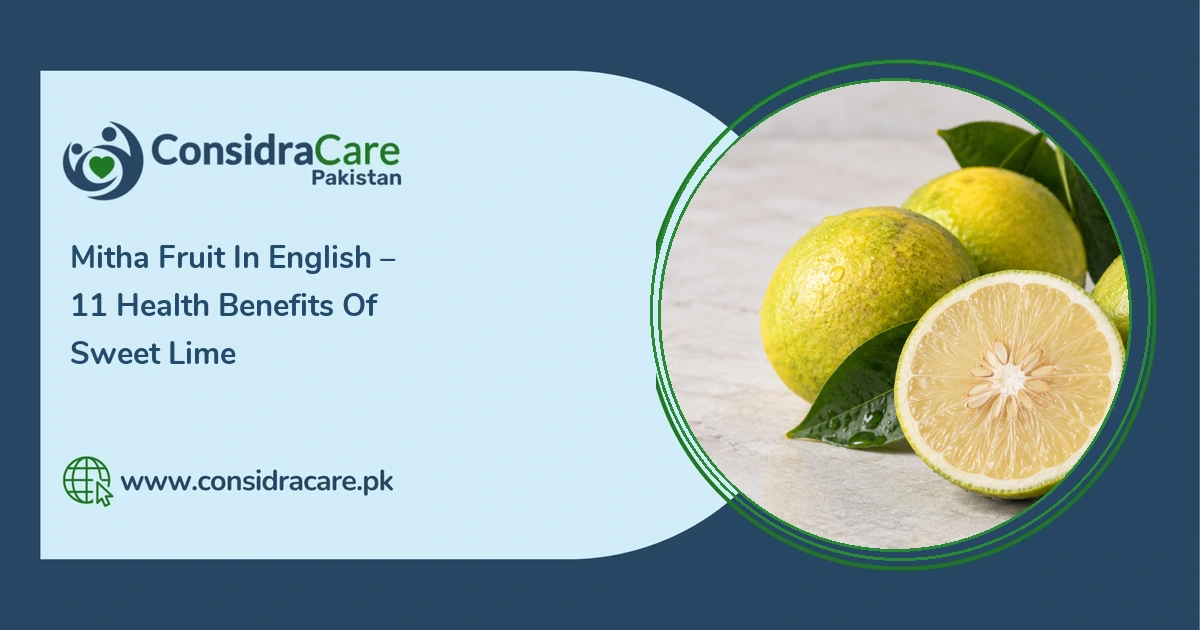
Mitha fruit in English is called sweet lime. In Pakistan, it may also be called meetha, mosambi or mousami. This mild-tasting citrus fruit is commonly eaten fresh or squeezed into juice.
Sweet lime can contribute water, vitamin C and other plant nutrients to a balanced diet. Its benefits are nutritional, however; it does not cure infections, jaundice, ulcers or other diseases. This guide explains what mitha fruit is, 11 realistic health benefits, the difference between whole fruit and juice, and who should be careful.
What Is Mitha Fruit Called in English?
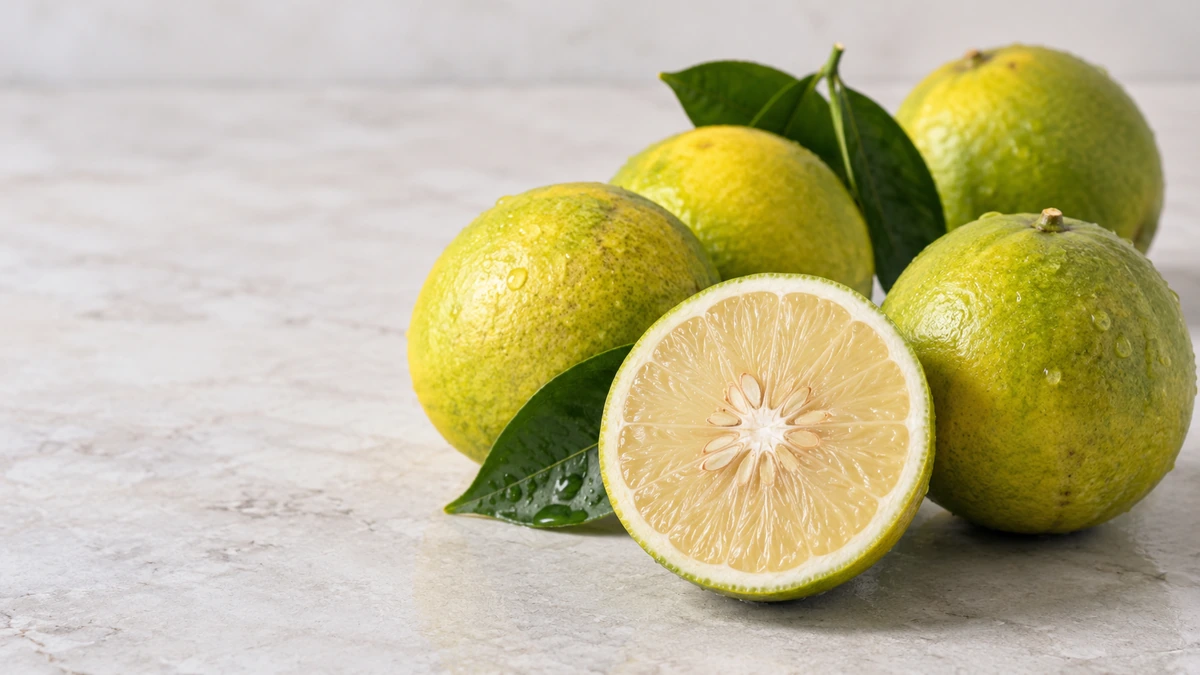
Mitha fruit is commonly called sweet lime in English. It is generally identified as Citrus limetta, a mild, low-acid member of the citrus family. Regional names include mosambi, mousami, meetha and sweet lemon.
Sweet lime should not be confused with Persian lime or Key lime. Those limes are sharper and more acidic, while mitha fruit has a milder taste, green-to-yellow peel and pale, juicy flesh.
Sweet Lime Nutrition at a Glance
The exact nutrition of sweet lime varies with the variety, size, ripeness and whether it is eaten whole or strained into juice. In general, the edible fruit supplies water and carbohydrates along with vitamin C, small amounts of minerals and naturally occurring plant compounds.
| Nutritional feature | Why it matters |
|---|---|
| Water | Contributes to daily fluid intake |
| Vitamin C | Supports normal immune function, collagen formation and plant-iron absorption |
| Natural carbohydrates | Provide energy and need to be counted in diabetes meal planning |
| Dietary fibre | Present mainly when the pulp or whole fruit is consumed |
| Plant compounds | Contribute antioxidant activity as part of a varied diet |
A precise nutrient table should always identify the tested variety and serving form. Numbers quoted for ordinary lime, lemon or orange should not automatically be applied to sweet lime.
11 Health Benefits of Mitha Fruit
The benefits below describe how sweet lime may contribute to health as part of an overall balanced diet. They should not be read as treatment claims.
1. Helps You Meet Your Vitamin C Needs
Like other citrus fruits, sweet lime can contribute vitamin C to your diet. The body cannot make this essential nutrient, so it must come from food or supplements.
Eating a range of fruits and vegetables is more reliable than depending on one fruit alone. The vitamin C content of an individual sweet lime can also vary with its variety, ripeness and storage.
2. Supports Normal Immune Function
Vitamin C helps the immune system work normally. The NIH vitamin C fact sheet also explains its roles in collagen formation and plant-iron absorption. This does not mean that sweet lime prevents or cures colds, flu or other infections, but it can form part of a nutrient-rich eating pattern that supports normal body functions.
3. Provides Antioxidant Support
Vitamin C acts as an antioxidant, and citrus fruits contain other plant compounds with antioxidant activity. Antioxidants help protect cells from oxidative damage.
That role should not be exaggerated into a promise that one fruit will prevent cancer, heart disease or ageing. Overall diet, activity, sleep, smoking and medical care are much more important.
4. Supports Collagen Formation and Skin Health
The body needs vitamin C to make collagen, a structural protein found in skin, blood vessels and connective tissue. Getting enough vitamin C through food therefore supports normal skin structure.
Drinking sweet lime juice will not lighten the skin. Applying citrus juice directly to the face is also unnecessary and may irritate sensitive skin.
5. Contributes to Normal Wound Healing
Collagen is involved in normal wound healing, which is another reason adequate vitamin C matters. Sweet lime may contribute to vitamin C intake, but it is not a wound treatment.
Slow-healing, deep or infected wounds need professional assessment, especially in people with diabetes or poor circulation.
6. Helps the Body Absorb Plant-Based Iron
Vitamin C improves the absorption of non-haem iron, the form found in plant foods. A practical Pakistani example is eating vitamin C-containing fruit with a meal that includes daal, chana, beans or leafy vegetables.
Sweet lime alone cannot treat iron-deficiency anaemia. Anyone with persistent tiredness, breathlessness, paleness or a diagnosed deficiency should follow a clinician’s investigation and treatment plan.
7. Contributes to Hydration
Fresh sweet lime contains water and can contribute to daily fluid intake. This makes it a refreshing choice during hot weather, particularly when it replaces a heavily sweetened drink.
Fruit juice is not a substitute for oral rehydration solution during significant diarrhoea, vomiting or clinical dehydration. Children, older adults and unwell people can deteriorate quickly and may need medical advice.
8. Supports Digestion When the Pulp Is Retained
The whole fruit and pulp provide dietary fibre, which supports bowel regularity and digestive health. Much of this advantage is reduced when juice is finely strained.
If increasing fibre, do it gradually and drink enough water. Large amounts may cause discomfort in someone who is not used to fibre or who has a sensitive digestive system.
9. Can Fit a Heart-Healthy Eating Pattern
Fruit can be part of a dietary pattern that supports cardiovascular health. Sweet lime is most useful in this context when it replaces soft drinks, sweetened juices or less nutritious snacks.
It does not lower blood pressure or treat heart disease by itself. People taking medicines or following a medically prescribed diet should continue that plan.
10. May Support Weight Management as a Smart Substitution
Choosing whole sweet lime instead of a sugary dessert or drink may help reduce added-sugar intake. The pulp also provides more fullness than clear juice.
Sweet lime does not burn fat. Weight change depends on total food intake, activity, sleep, medicines and health conditions. For more ideas about choosing seasonal fruit, read ConsidraCare’s guide to the health benefits of mango and healthy ways to eat it.
11. Offers a Refreshing, Easy-to-Eat Fruit Option
Sweet lime’s mild flavour and juicy texture can make it appealing when someone wants a light snack. Older adults may find peeled segments or pulp easier to manage than hard, dry foods, provided the texture is safe for their swallowing ability.
A reduced appetite, repeated nausea or difficulty swallowing should not be managed with fruit alone. Persistent symptoms need assessment so that dehydration, medicine effects and underlying illness are not missed.
Whole Sweet Lime vs Sweet Lime Juice
Whole fruit and juice are not nutritionally identical. Whole fruit or juice with retained pulp is usually the better everyday choice because it provides more fibre and tends to be more filling.
| Feature | Whole sweet lime | Strained sweet lime juice |
|---|---|---|
| Fibre | Retains more pulp and fibre | Often contains little fibre |
| Fullness | Chewing and fibre may improve satisfaction | Easier to drink quickly |
| Portion awareness | One fruit is easy to recognise | One glass may contain several fruits |
| Added sugar | Usually unnecessary | Frequently added in prepared drinks |
| Blood glucose | Generally the more practical choice | Needs greater attention to portion size |
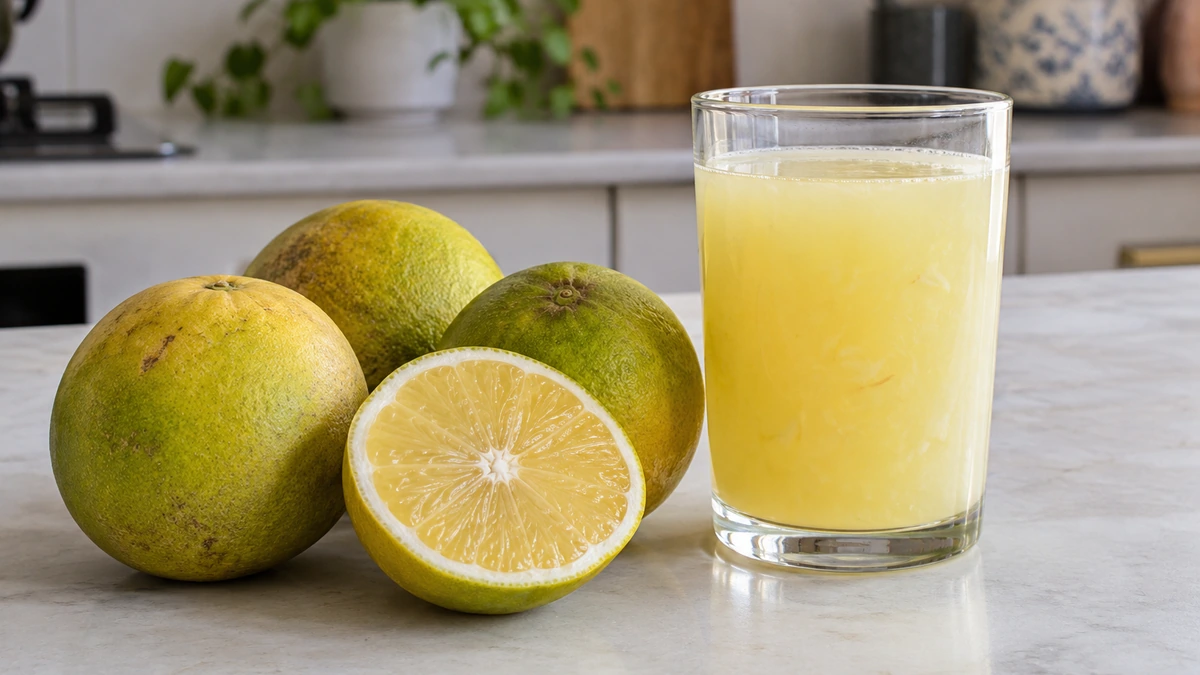
The American Diabetes Association’s fruit guidance explains that fruit contributes carbohydrate and that juice portions are small because juice is less filling. If you enjoy fresh drinks, compare this guidance with ConsidraCare’s articles on falsa juice benefits and carrot juice benefits.
How to Eat or Drink Mitha Fruit Safely
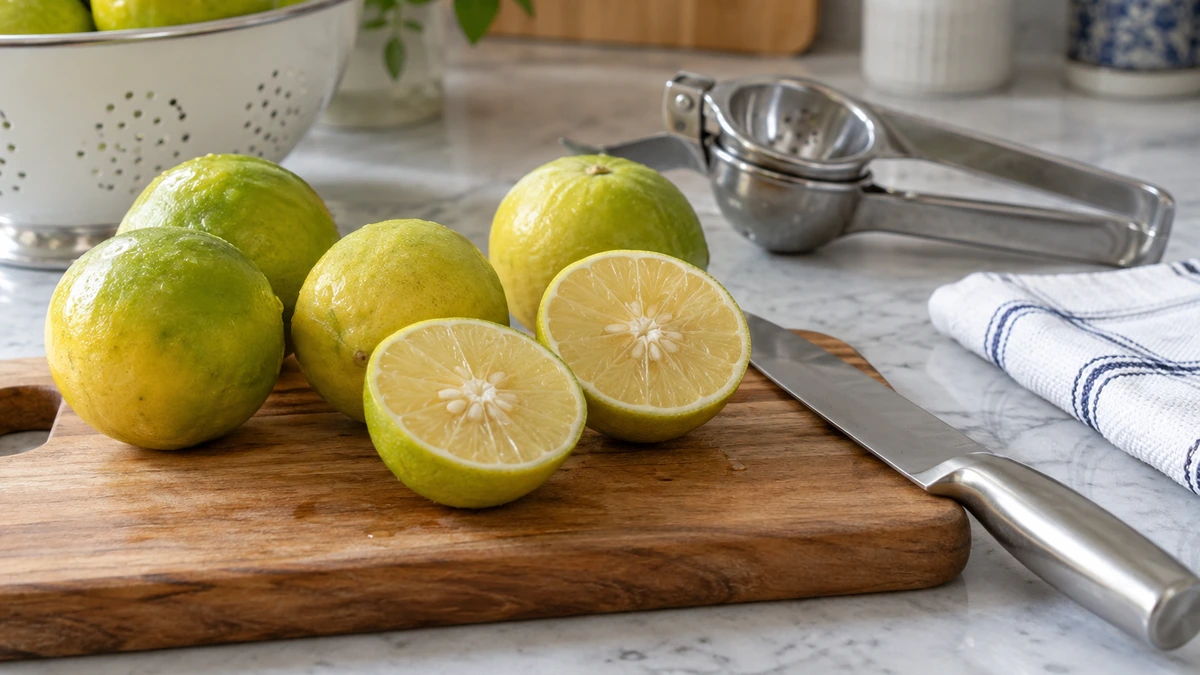
- Wash the peel under clean running water before cutting.
- Use a clean knife, board, glass and citrus press.
- Eat the segments or retain some pulp where practical.
- Avoid adding sugar, syrup or sweetened flavourings.
- Drink freshly prepared juice promptly and refrigerate leftovers.
- Use safe drinking water and clean ice.
- Do not rely on a fixed daily amount; appetite, diabetes plans and medical diets differ.
For another portable fruit option with a very different sugar and fibre concentration, see the guide to kishmish nutrition, uses and side effects.
Is Mitha Fruit Good for Diabetes?
People with diabetes can often include fruit in an individualized meal plan, but fruit still contains carbohydrate. A small portion of whole sweet lime is generally more practical than a large glass of strained juice because the whole fruit retains fibre and is harder to consume rapidly.
Avoid added sugar, count the fruit within your meal plan and monitor your response as advised by your diabetes team. Juice may raise blood glucose more quickly than whole fruit. Anyone with difficult-to-control glucose levels, kidney disease or a prescribed diet should ask their doctor or dietitian about suitable portions.
Possible Side Effects and Who Should Be Careful
Sweet lime is a food, but it may not suit everyone.
- Citrus allergy: Stop eating it and seek help for itching, hives or swelling. Breathing difficulty or swelling of the tongue or throat requires urgent care.
- Reflux or a sensitive stomach: Citrus may trigger burning or discomfort in some people, even though sweet lime tastes milder than ordinary lime.
- Dental enamel: Frequent sipping exposes teeth to acid. Drink juice with a meal, avoid holding it in the mouth and rinse with plain water afterwards.
- Diabetes: Large juice portions and added sugar can make carbohydrate intake harder to manage.
- Kidney or medically prescribed diets: Individual mineral and fluid limits vary, so follow your clinician’s advice.
- Pregnancy: Sweet lime can usually be eaten as ordinary food, but persistent vomiting, dehydration or gestational diabetes requires individualized care.
Mitha Fruit Claims That Need a Reality Check
Sweet lime is nutritious, but it should not be promoted as a medicine. There is not enough reliable clinical evidence to claim that it:
- treats jaundice or removes bilirubin;
- cures flu or other infections;
- heals stomach ulcers;
- detoxifies the body;
- lightens skin; or
- replaces prescribed treatment or oral rehydration therapy.
Acidic juice should also not be applied directly to the skin as a home treatment. It may cause irritation, and citrus exposure on skin followed by sunlight can trigger a painful reaction in some people.
Conclusion
Mitha fruit is called sweet lime in English. It is a refreshing citrus fruit that can contribute water, vitamin C, fibre when the pulp is eaten, and useful variety to a balanced Pakistani diet.
Choose whole fruit or pulp-retaining preparations most often, avoid unnecessary added sugar and treat disease-cure claims cautiously. People with diabetes, allergies, reflux or medically prescribed diets may need individualized advice.
Frequently Asked Questions
1. What is mitha fruit called in English?
Mitha fruit is commonly called sweet lime in English. It is also known regionally as meetha, mosambi, mousami or sweet lemon.
2. Is mitha fruit the same as mosambi?
Yes. Mitha and mosambi are commonly used regional names for sweet lime, although spellings and local usage vary.
3. Is sweet lime the same as Persian lime?
No. Sweet lime is mild and relatively low in acidity, while Persian lime is sharper, more acidic and commonly used in cooking. They should not be treated as the same fruit.
4. Is sweet lime better as whole fruit or juice?
Whole fruit is generally the better everyday option because it retains more fibre and is more filling. If drinking juice, keep the pulp where possible, avoid added sugar and use a modest portion.
5. Can people with diabetes eat mitha fruit?
Many people with diabetes can include a small portion of whole fruit in their meal plan. Individual carbohydrate targets differ, so ask your diabetes team if you are unsure. Large glasses of juice and added sugar require particular care.
6. Can sweet lime be eaten during pregnancy?
Sweet lime can generally be eaten as ordinary food during pregnancy when it is washed and prepared hygienically. Seek medical advice for persistent vomiting, dehydration, gestational diabetes or other pregnancy complications.
7. Does sweet lime treat jaundice or stomach ulcers?
No reliable clinical evidence supports using sweet lime as treatment for jaundice or ulcers. Both conditions require appropriate medical assessment and care.
8. Can I drink sweet lime juice every day?
A modest unsweetened serving may fit a healthy person’s diet, but whole fruit is usually more filling and provides more fibre. There is no universal daily amount for everyone.
9. Why does sweet lime juice become bitter?
Fresh citrus juice can change in flavour after cutting and exposure to air as compounds from the fruit and peel interact. Prepare only what you need and drink it fresh rather than adding sugar to mask the bitterness.
10. What are the possible side effects of sweet lime?
Possible concerns include citrus allergy, reflux symptoms, dental-enamel exposure from frequent juice sipping and excessive carbohydrate intake from large or sweetened portions.

